October 2025Ingrid Hudson
Lives Less Seen
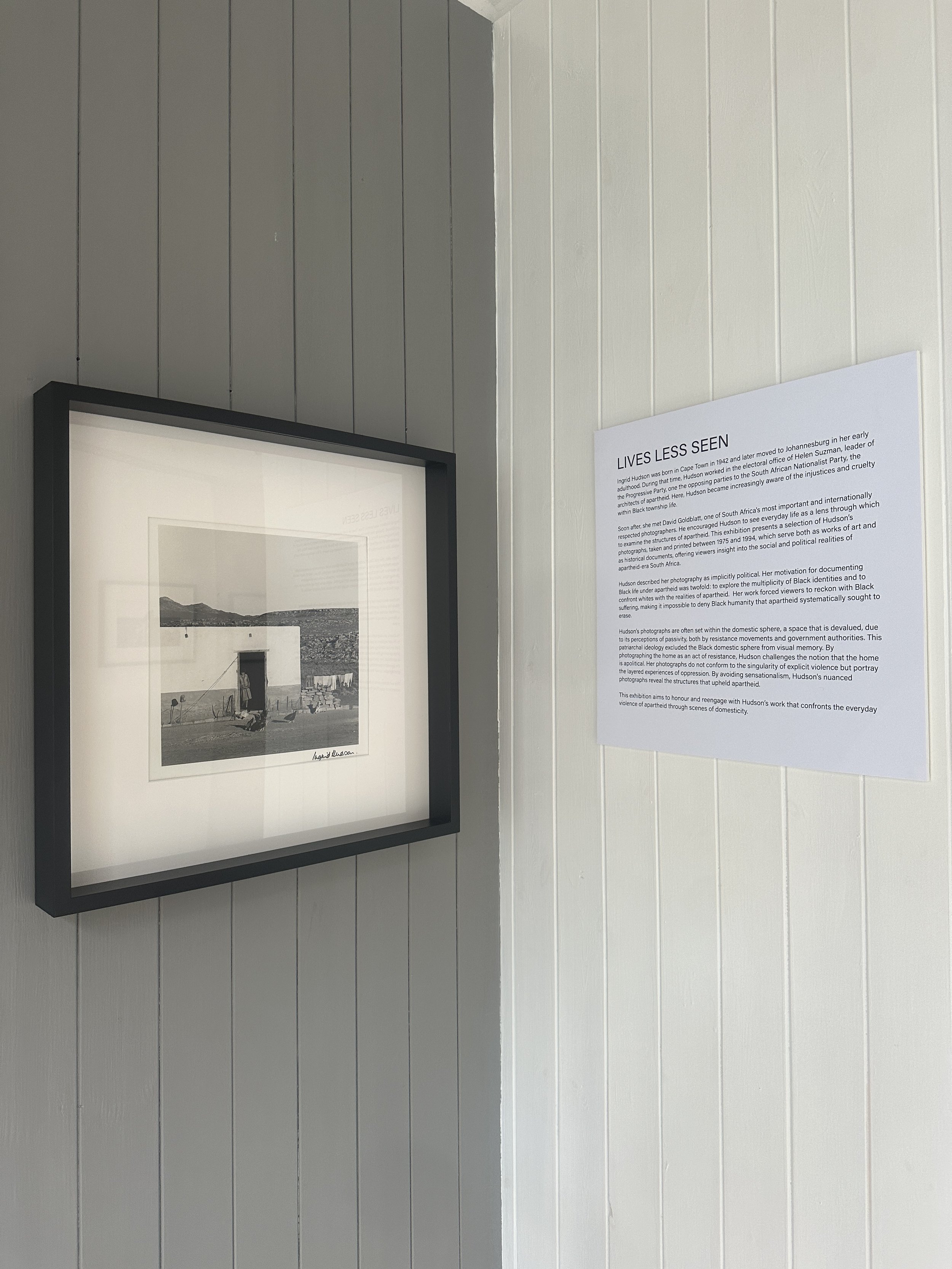
Ingrid Hudson was born in Cape Town in 1942 and later moved to Johannesburg in her early aditiood During that time, Hudson worked in the electoral office of Helen Suzman, leader of the Progressive Party, one the opposing parties to the South African Nationalist Party, the architects of apartheid. Here, Hudson became increasingly aware of the injustices and cruelty within Black township life:
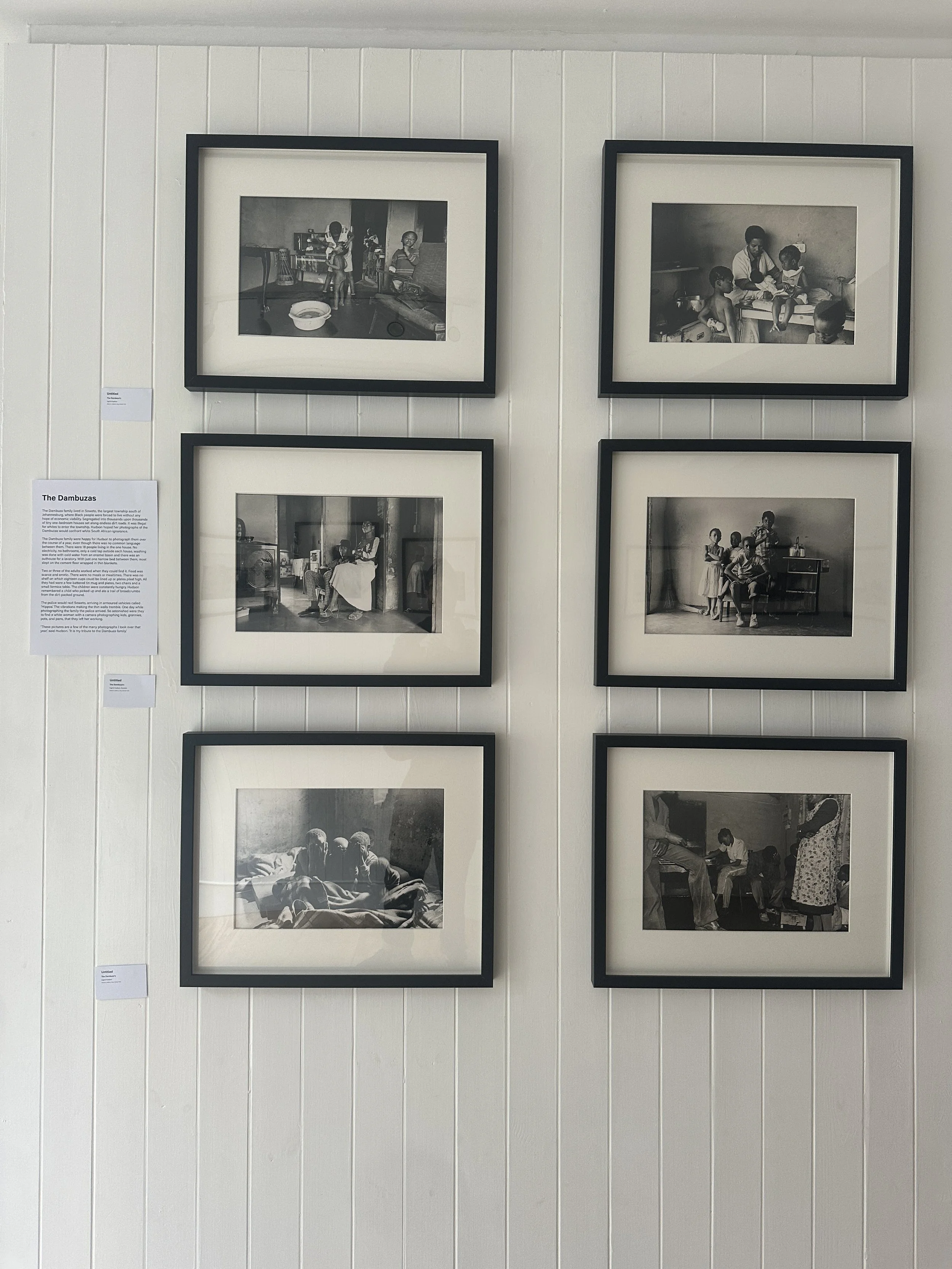
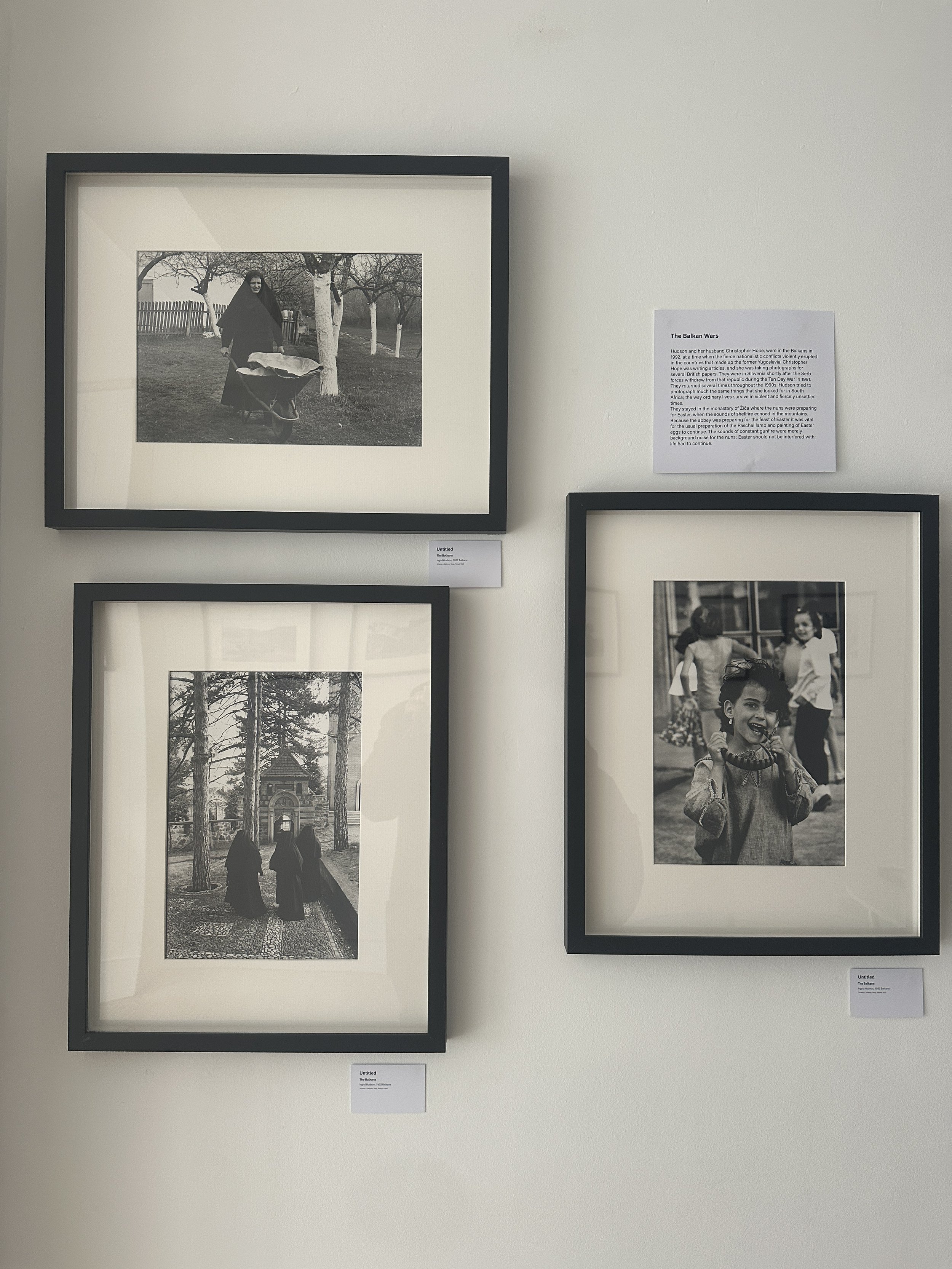
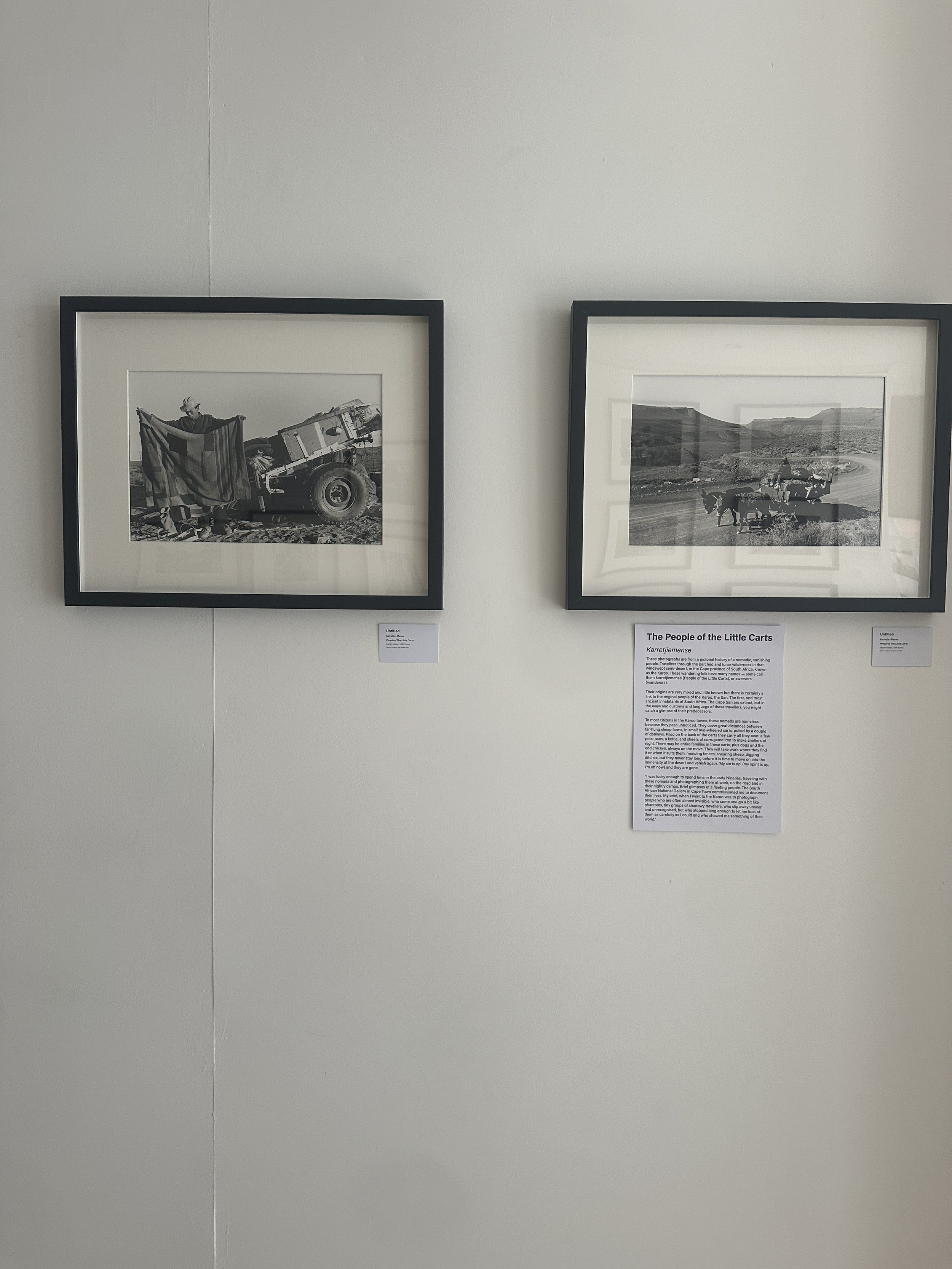
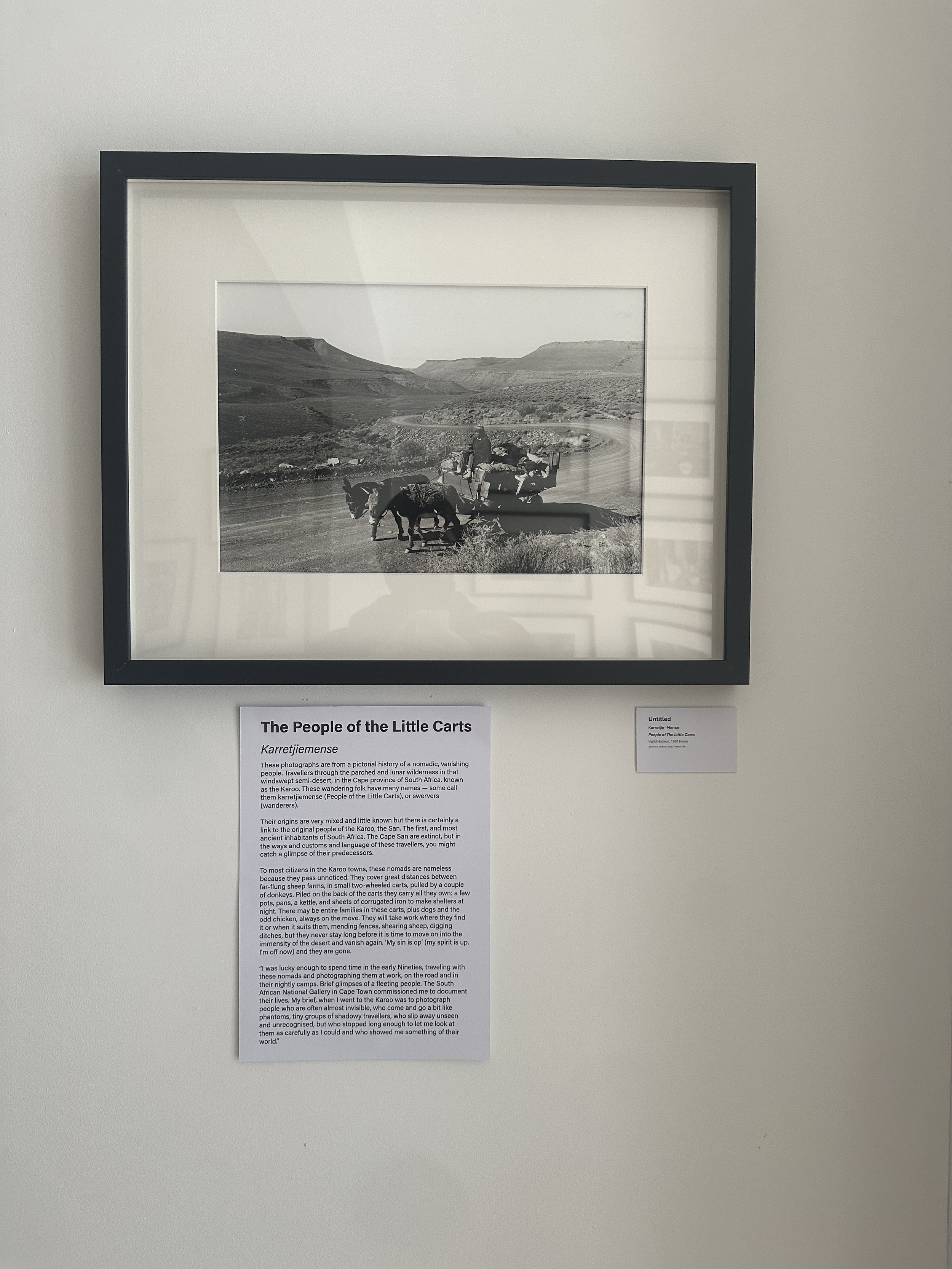
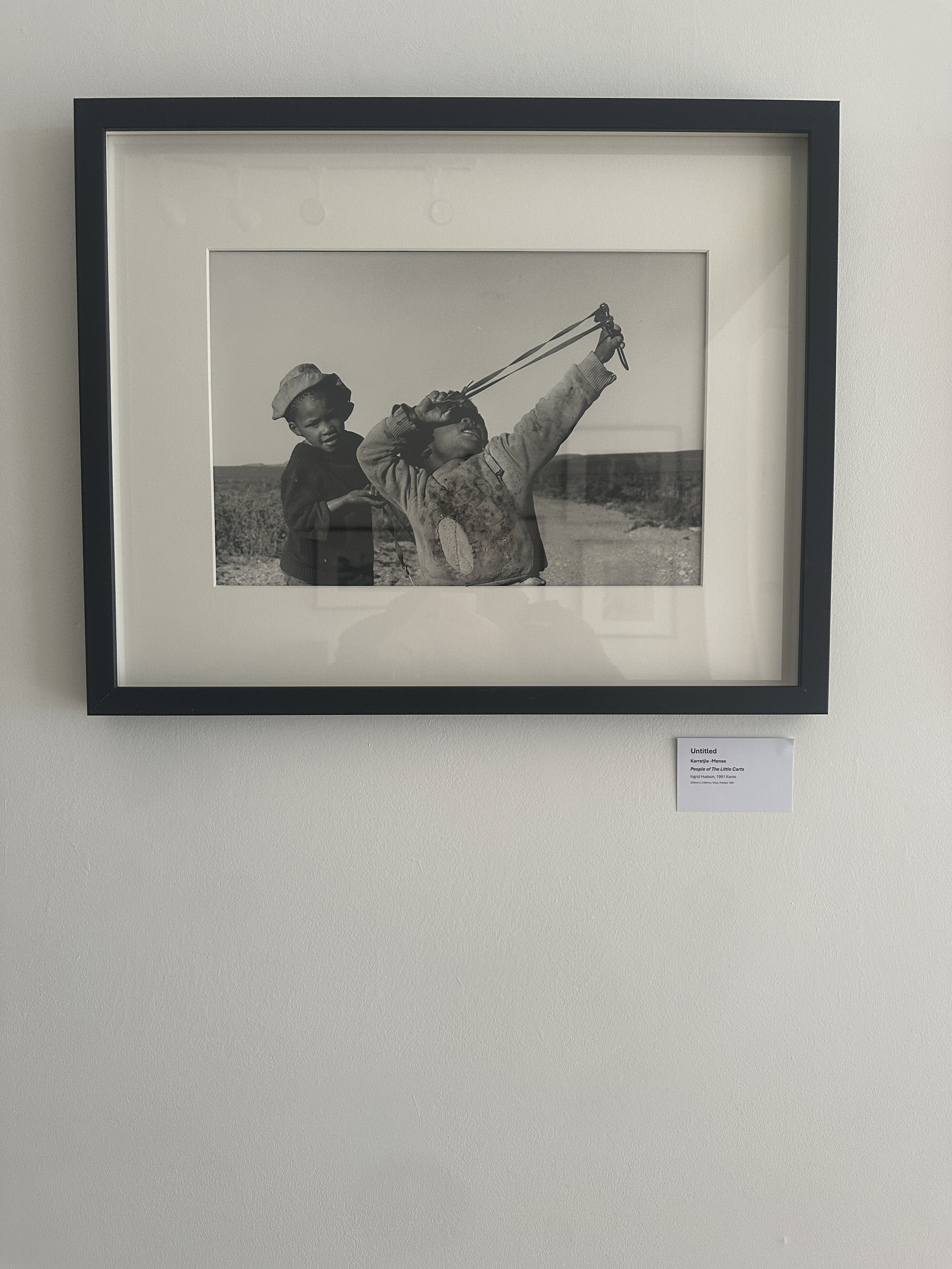
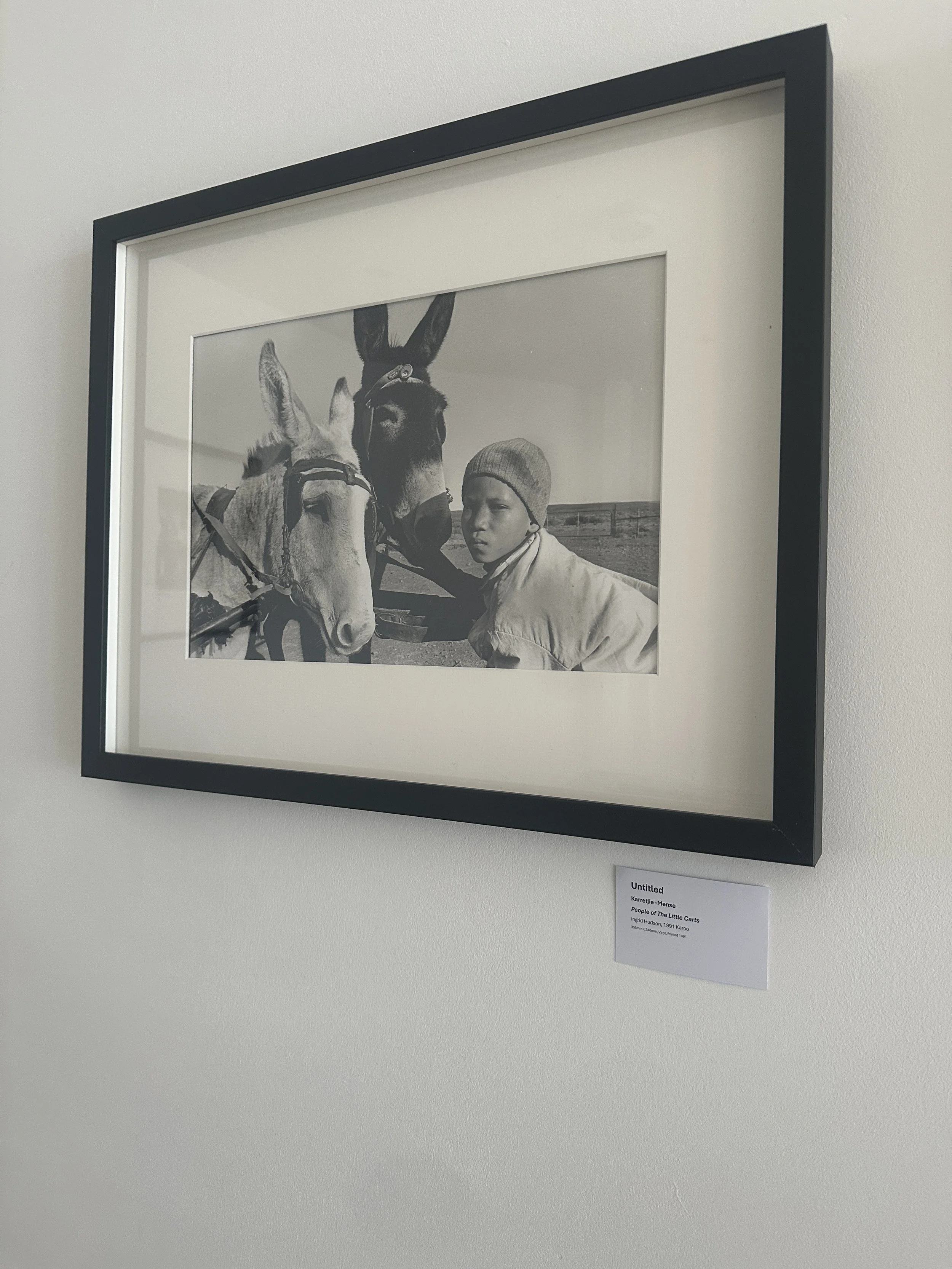
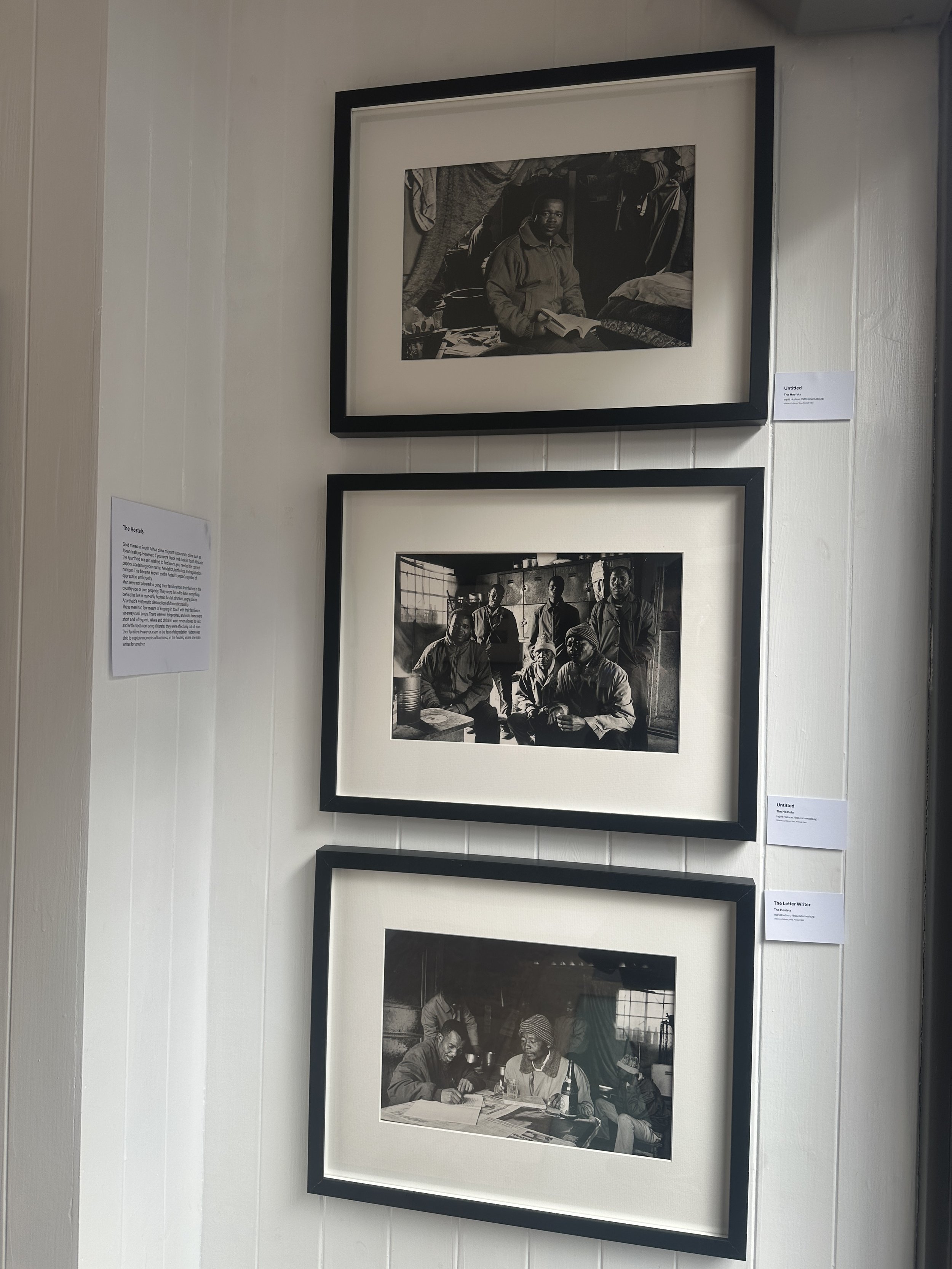
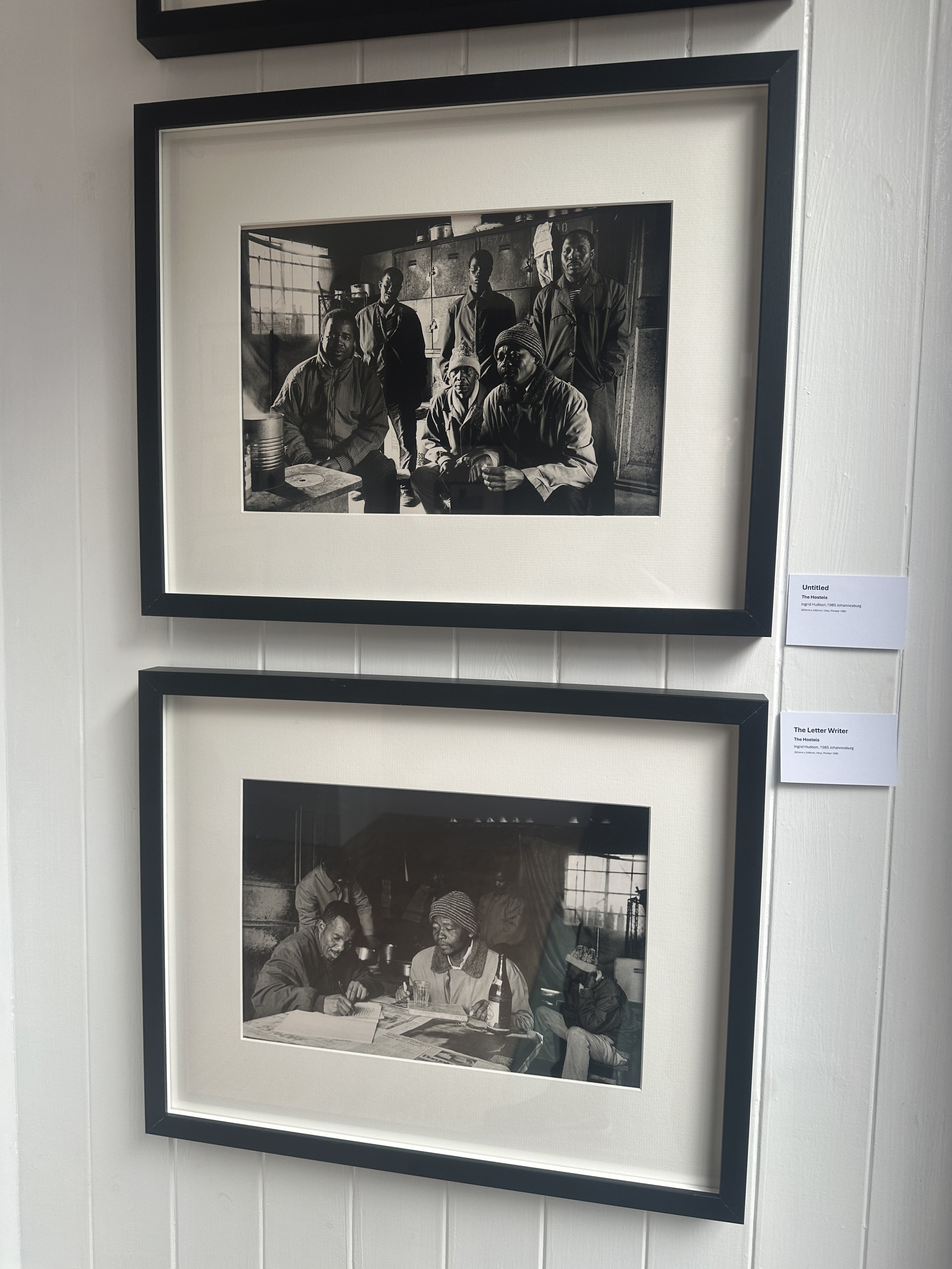
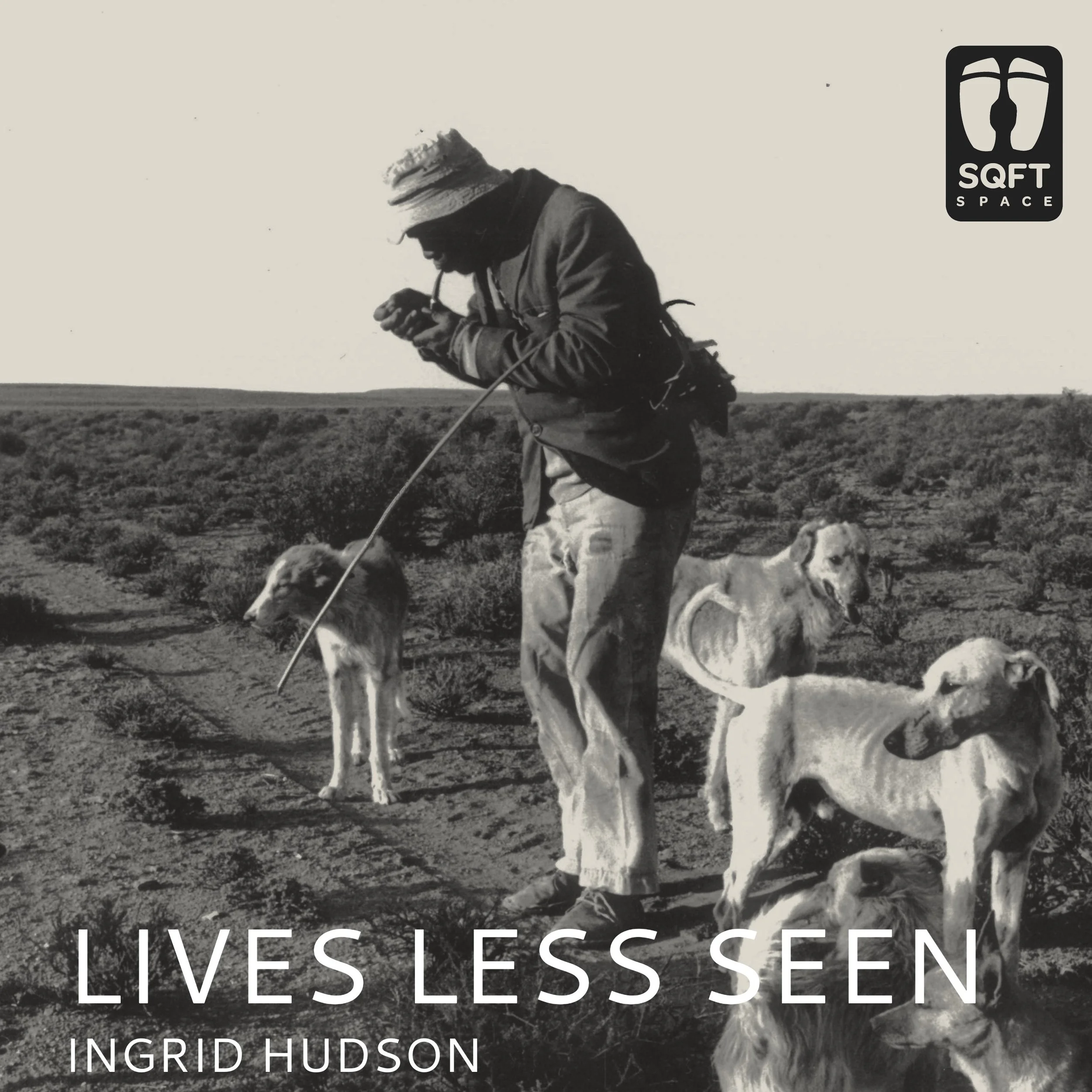
Soon after she met David Goldblatt, one of South Africa's most important and internationally respected photographers. He encouraged Hudson to see everyday life as a lens through which to examine the structures of apartheid. This exhibition presents a selection of Hudson's photographs, taken and printed between 1975 and 1994, which serve both as works of art and as historical documents offering viewers insight into the social and political realities of apsrtheid-era South Africa.
Hudson's photographs are often set within the domestic sphere, a space that is devalued, due to its perceptions of passivity, both by resistance movements and government authorities. This patriarchal ideology excluded the Black domestic sphere from visual memory. By photographing the home as an act of resistance, Hudson challenges the notion that the home s apolitical. Her photographs do not conform to the singularity of explicit violence but portray photographs reveal the structures that upheld apartheid. By avoiding sensationalism, Hudson's nuanced violence of apartheid through scenes of domesticity.
This exhibition aims to honour and reengage with Hudson's work that confronts the everyday.