September 2026
*This Sound Is Purple
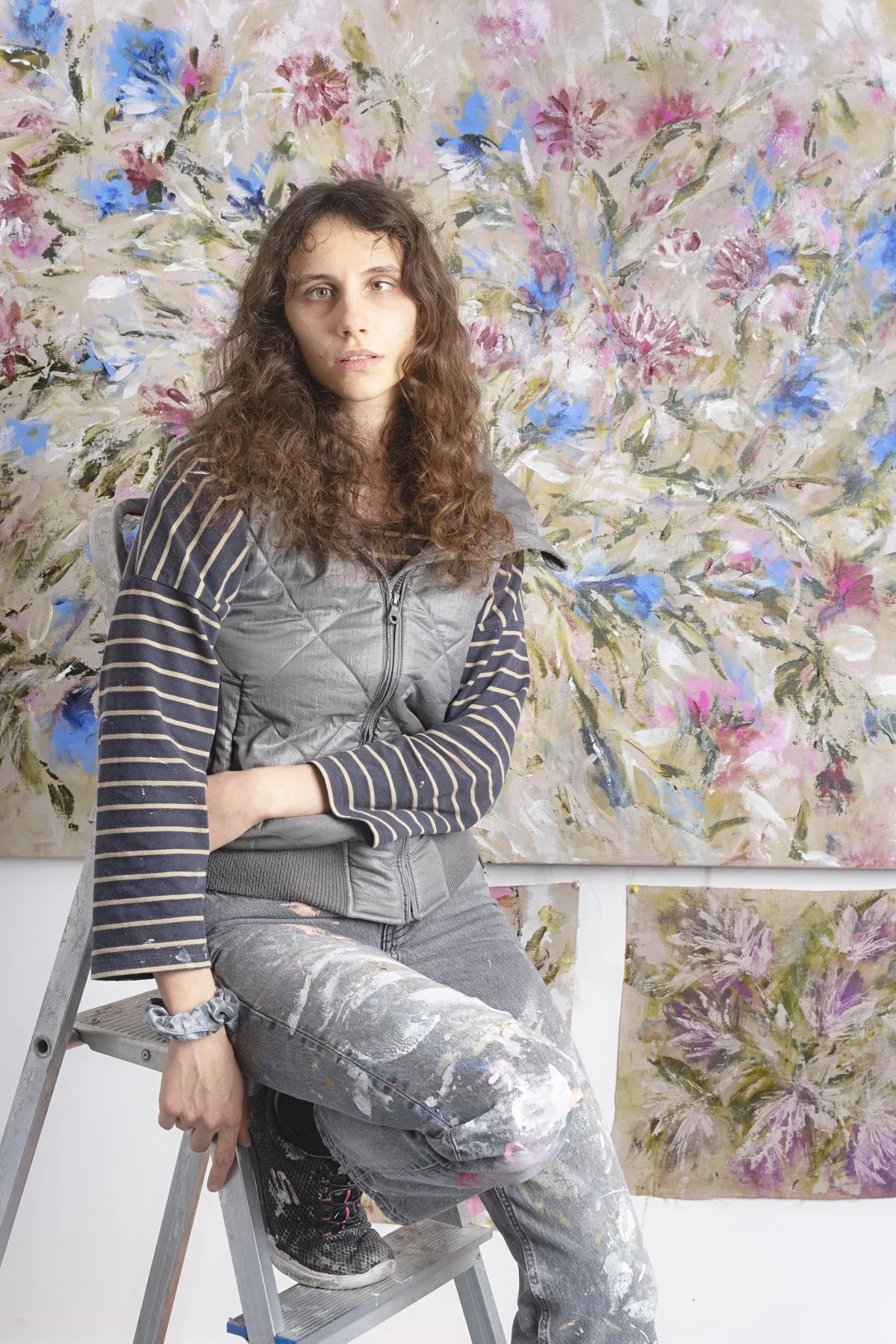
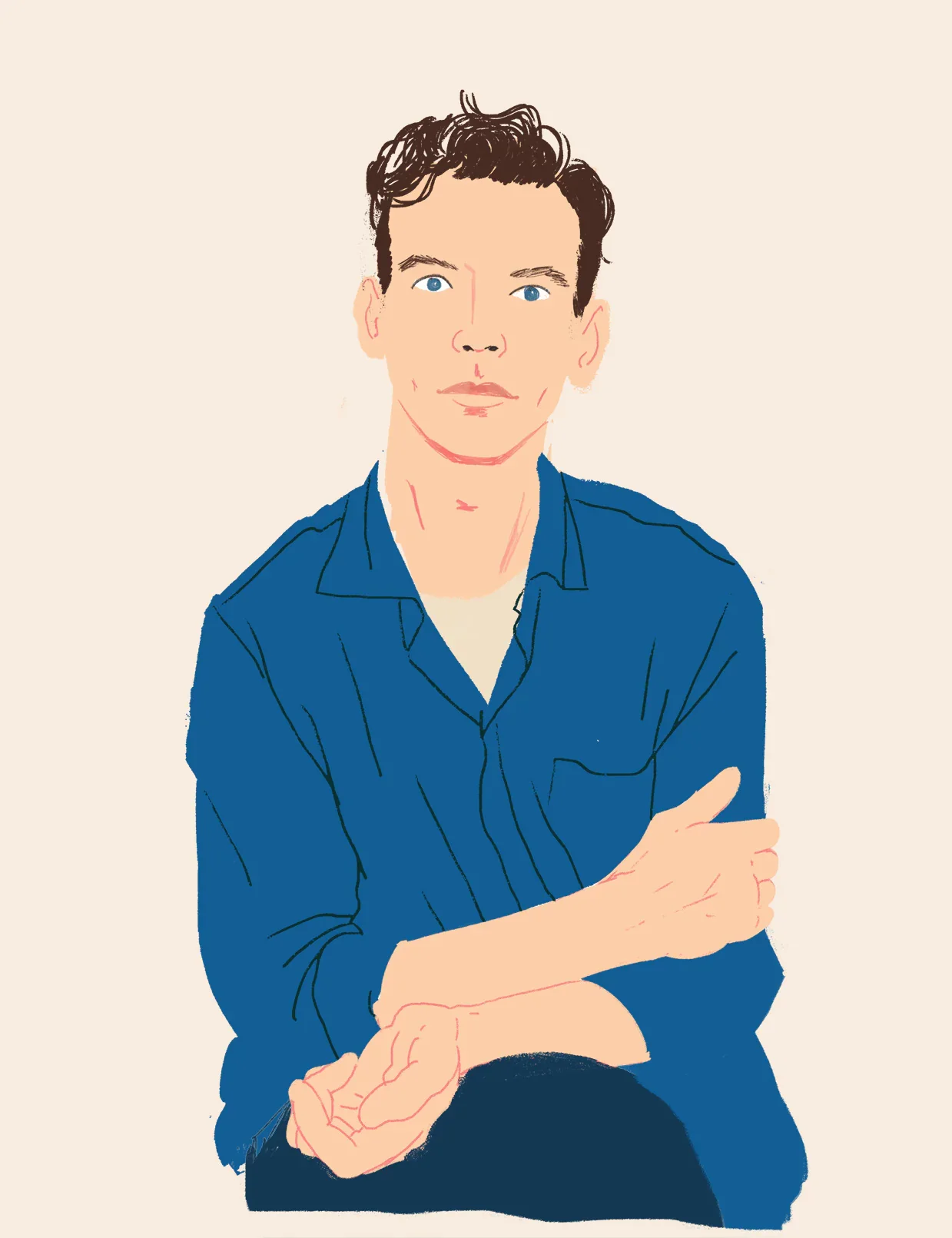
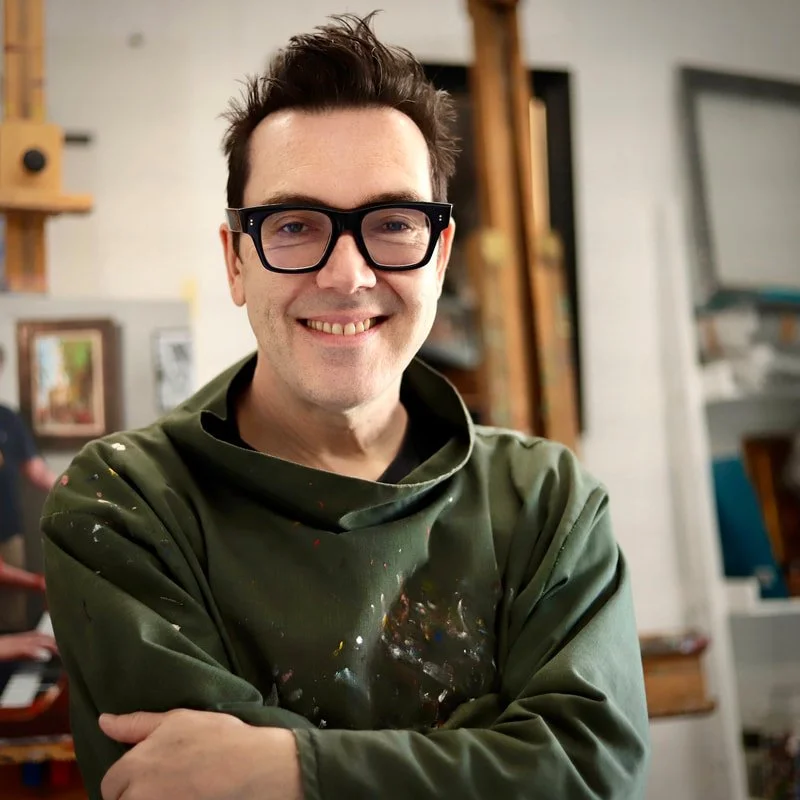
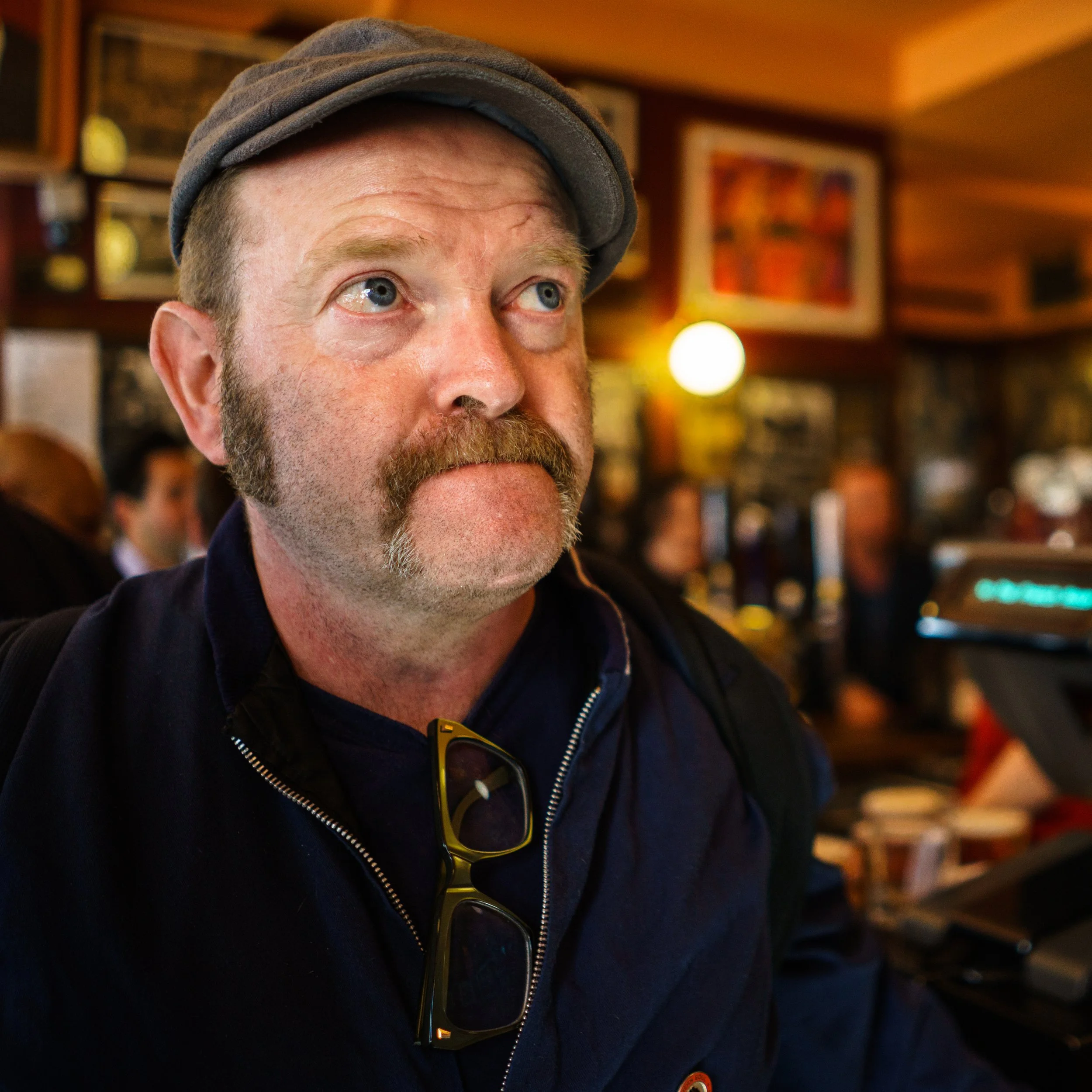
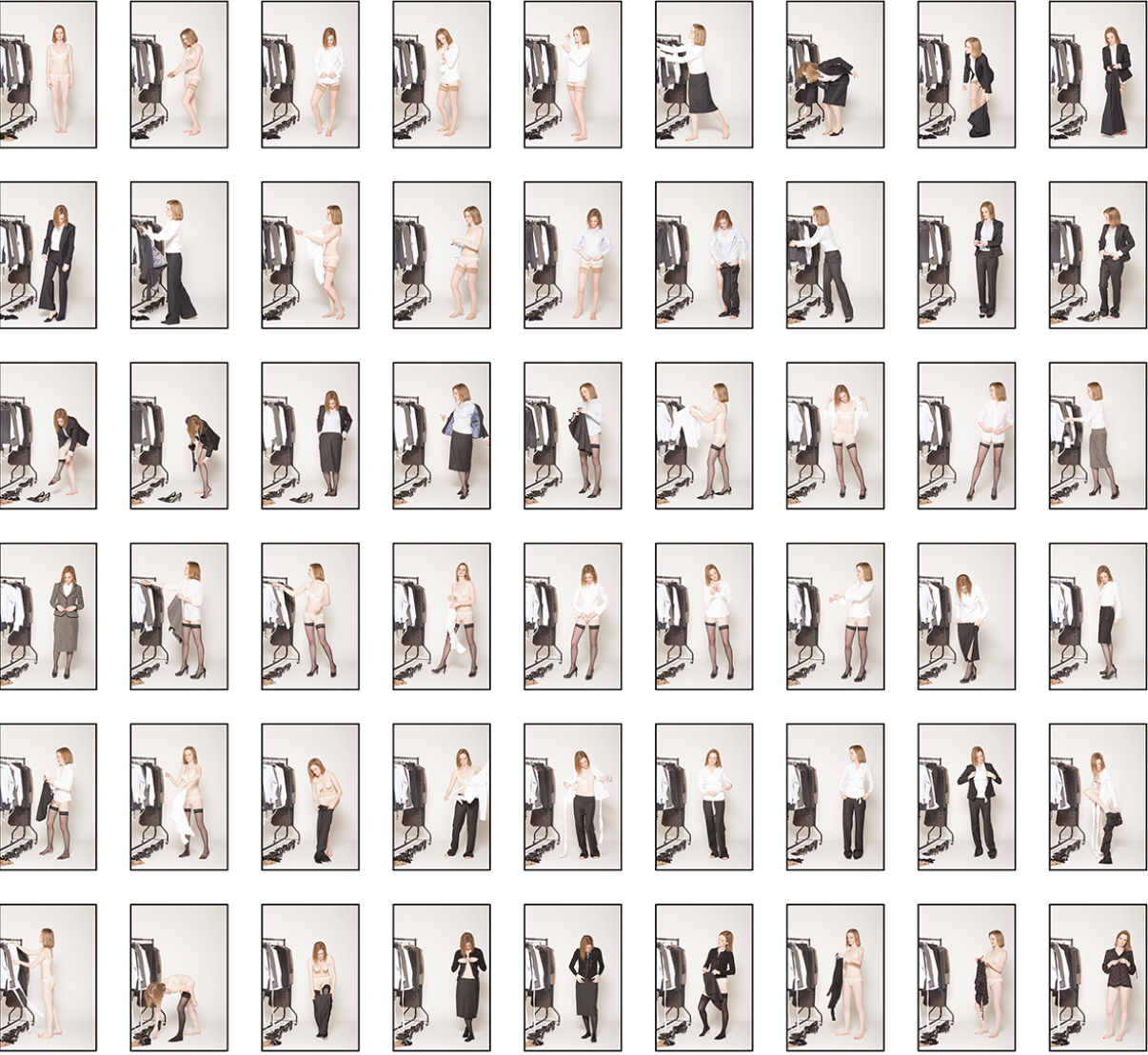
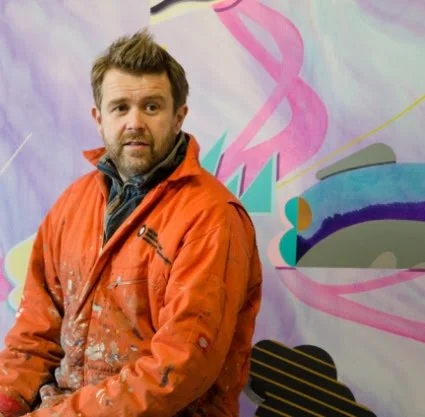
Bianca Raffaella, Peter Davis, Ray Richardson, Danny Rolph, and Jennifer Farrow-Moore.
*This Sound Is Purple launches debut exhibition at SQFT Space, pairing contemporary art with narration, artist reflection and sound
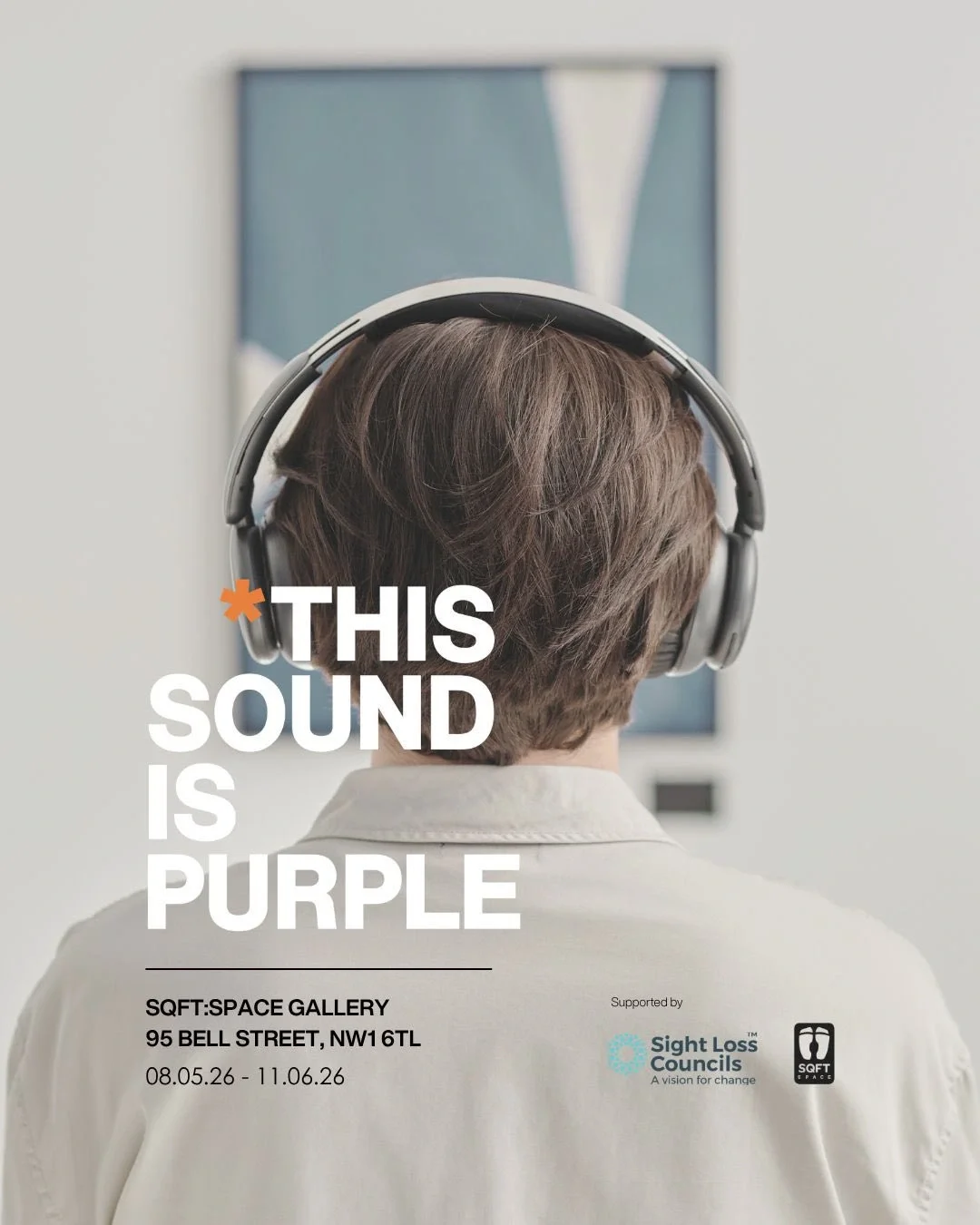
Private View: Thursday 7 May 2026 Exhibition Dates: 8 May – 11 June 2026 Venue: SQFT Space, Marylebone, London Admission: Free
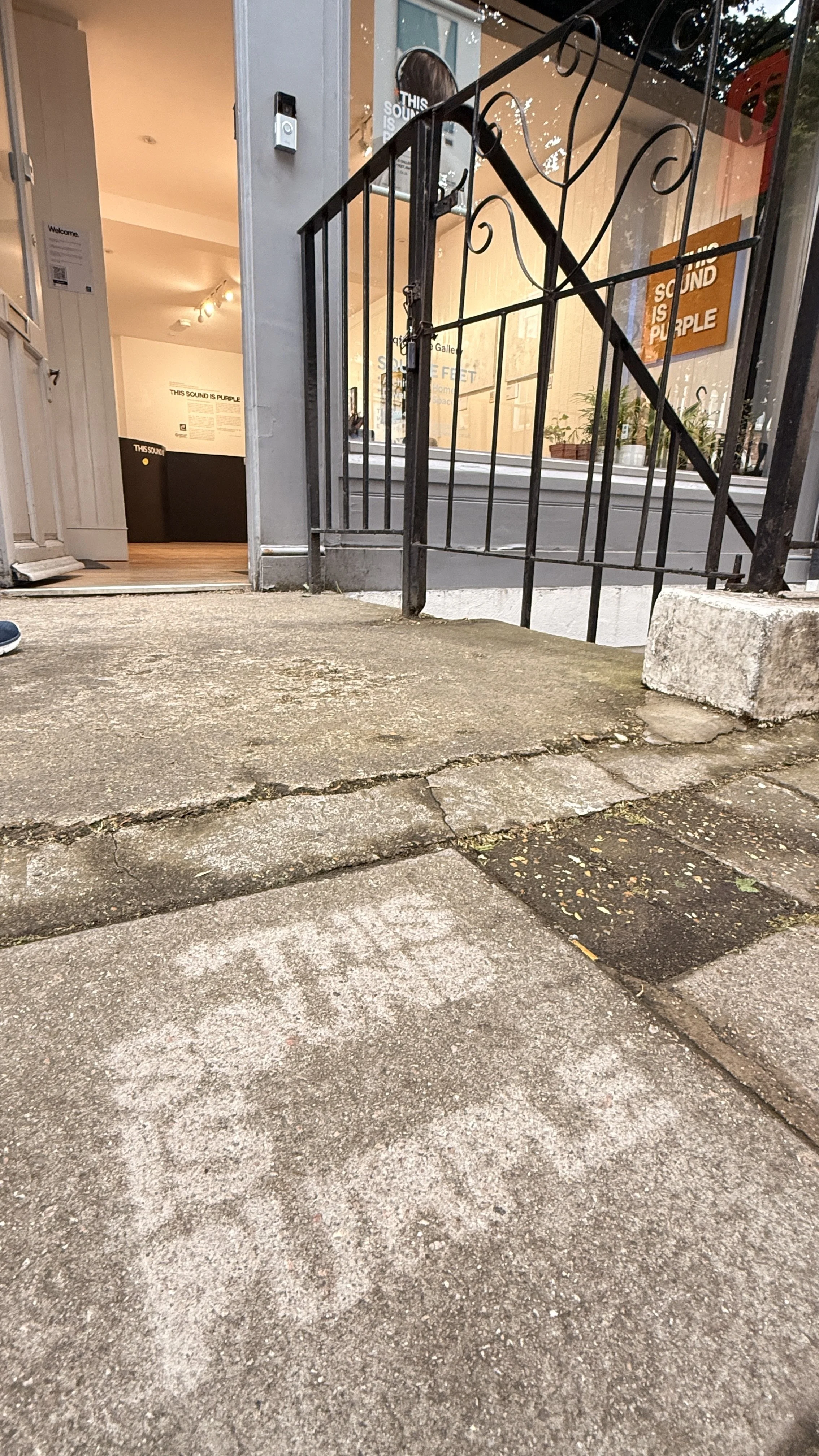
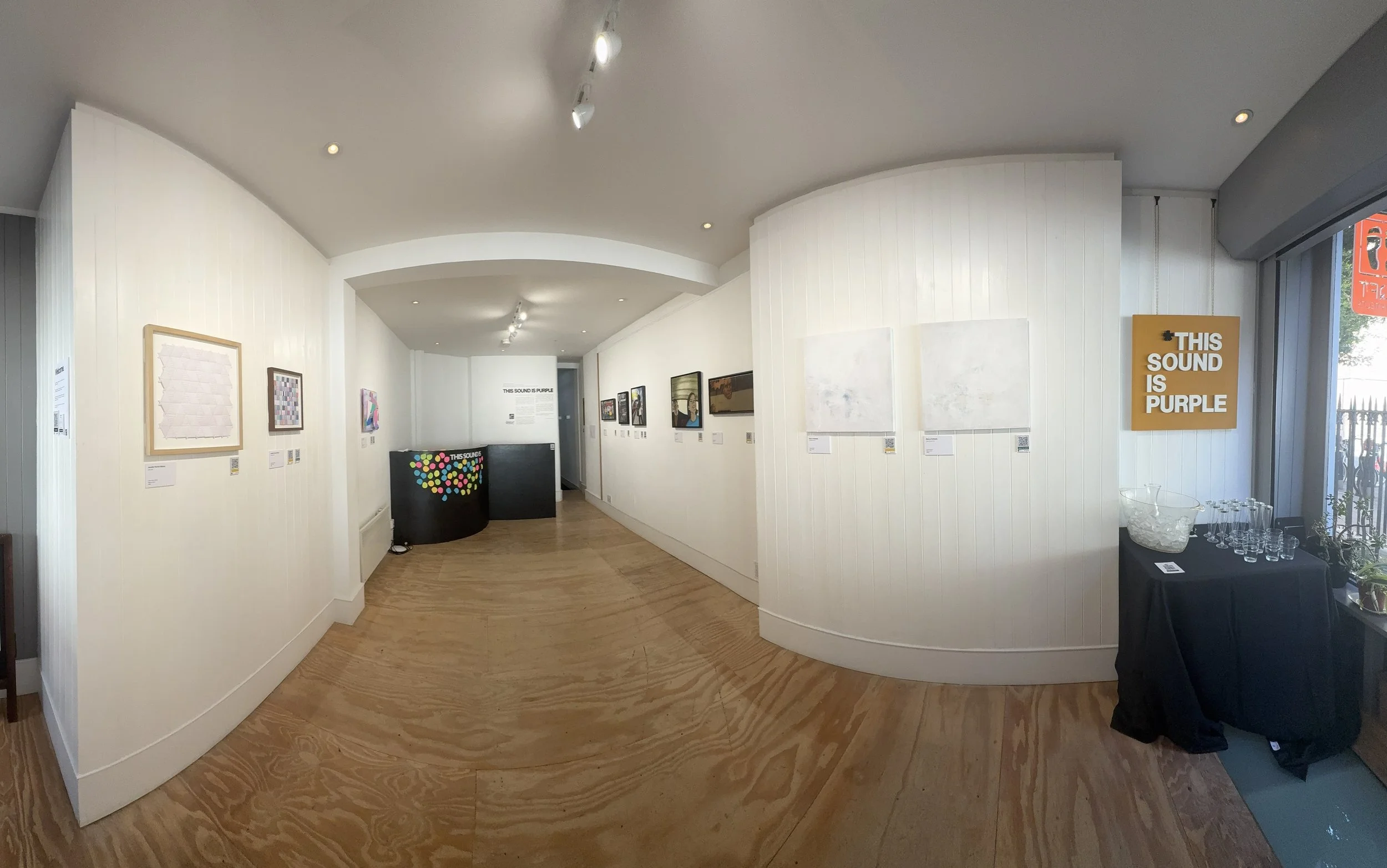
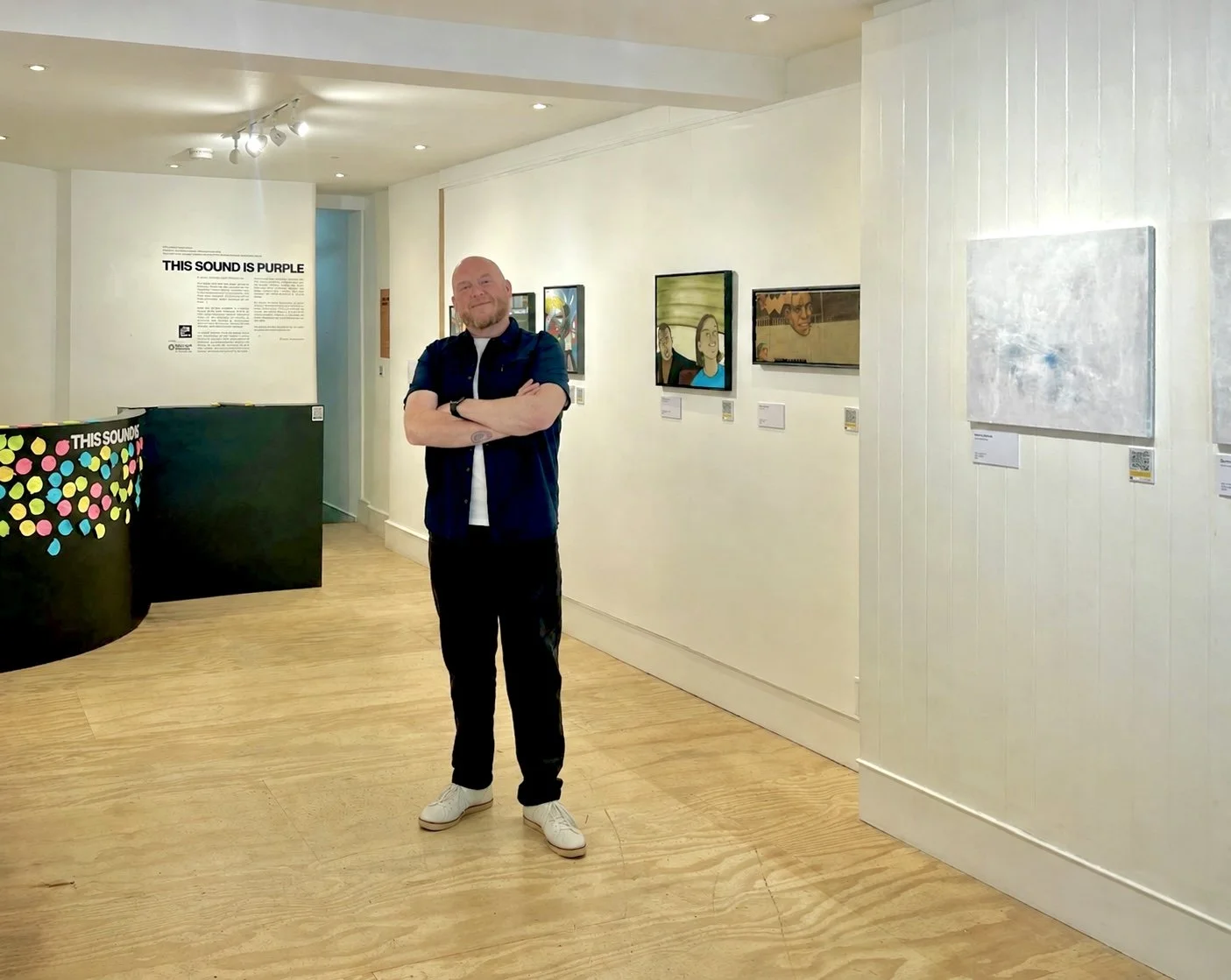
This Sound Is Purple launches its debut exhibition at SQFT Space, Marylebone, from 7 May to 11 June 2026. Bringing together contemporary art, narration, artist reflection and original sound, the free exhibition invites audiences to experience visual art in a more immersive, accessible and emotionally resonant way.
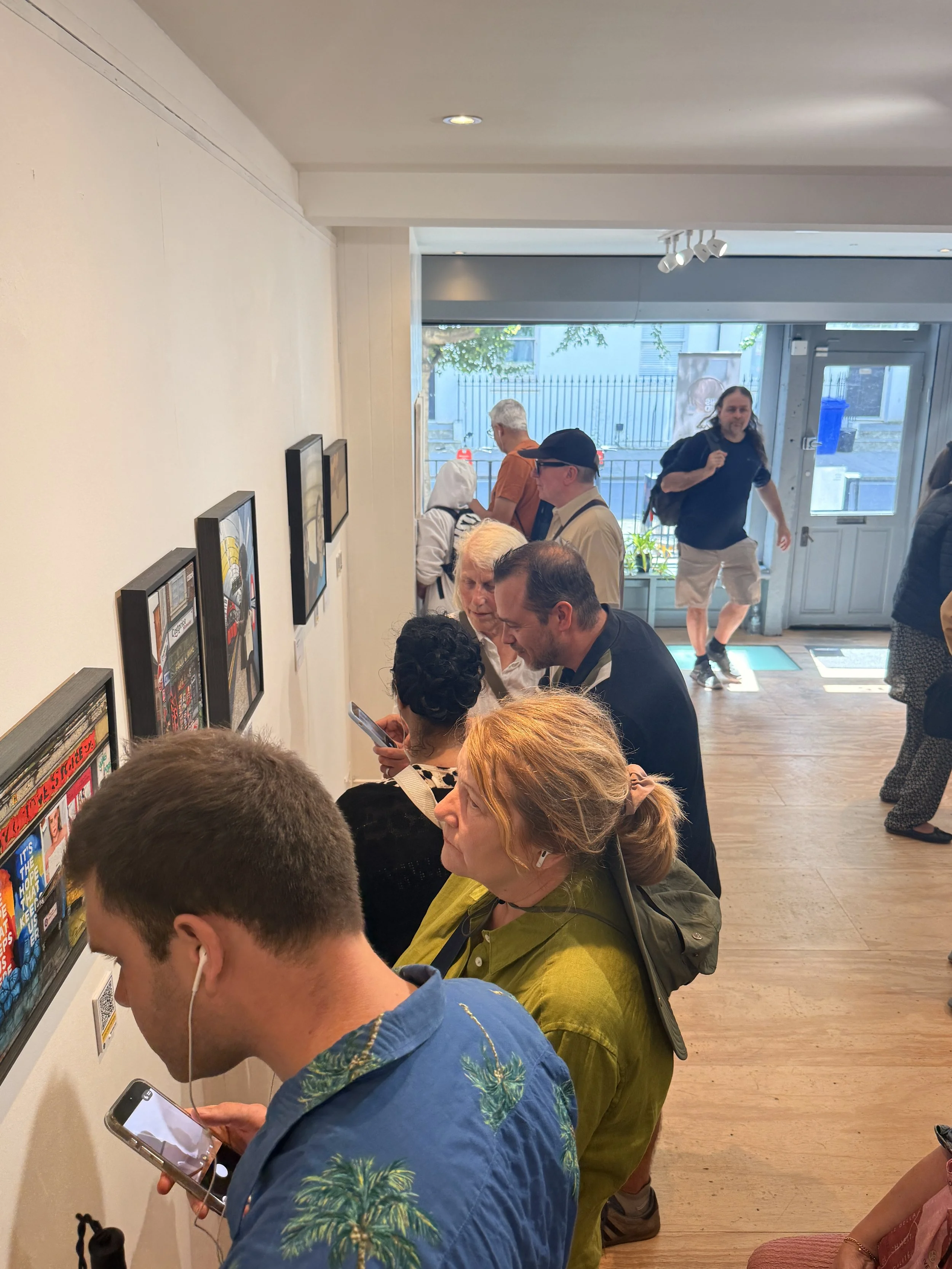
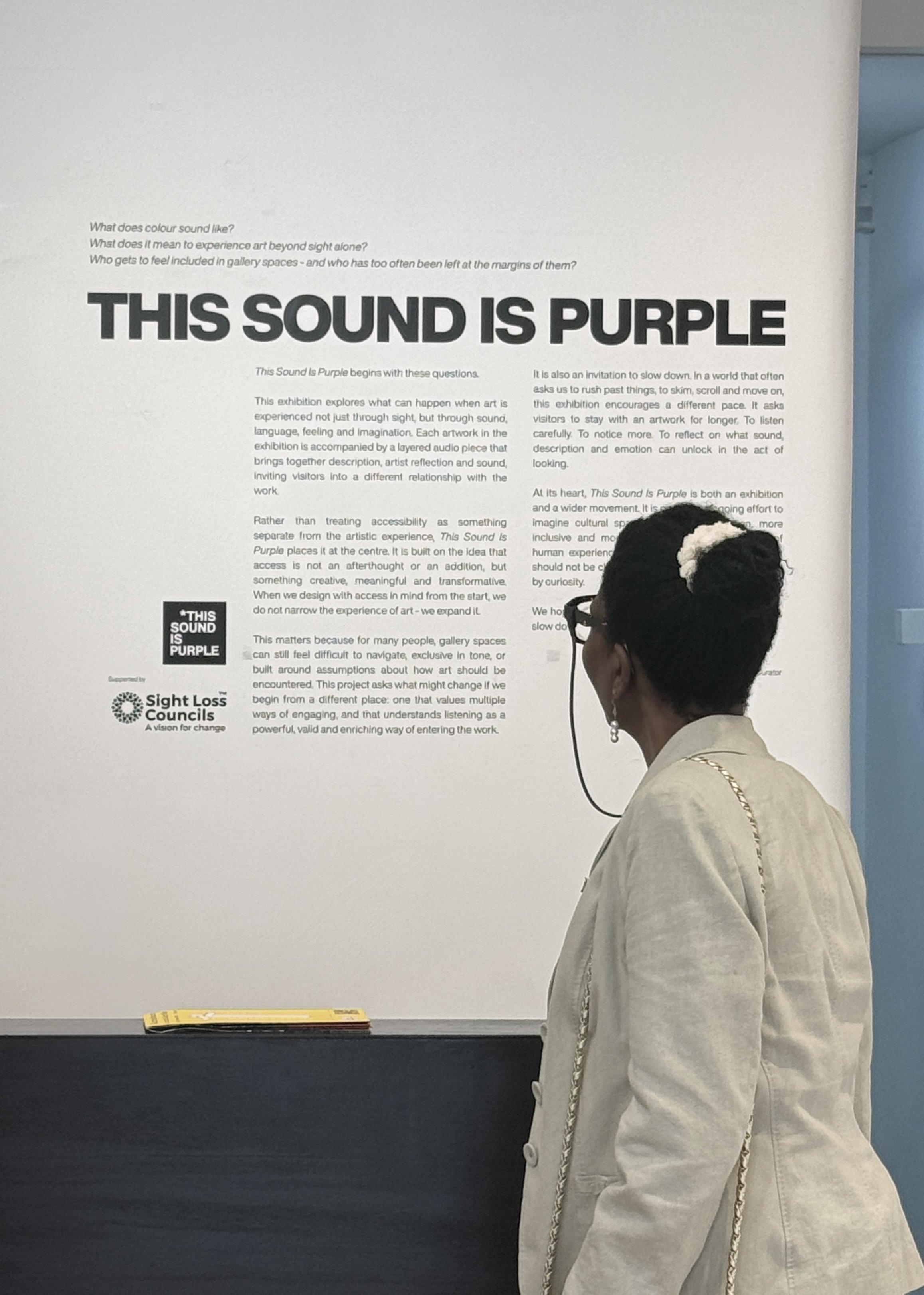
The exhibition is built around a simple but ambitious idea: to make visual art more inclusive, more emotionally resonant, and more accessible. Each artwork in the show is paired with a three-part audio piece combining clear spoken narration, artist reflection, and an original soundscape, inviting audiences to experience the work through sound as well as sight.
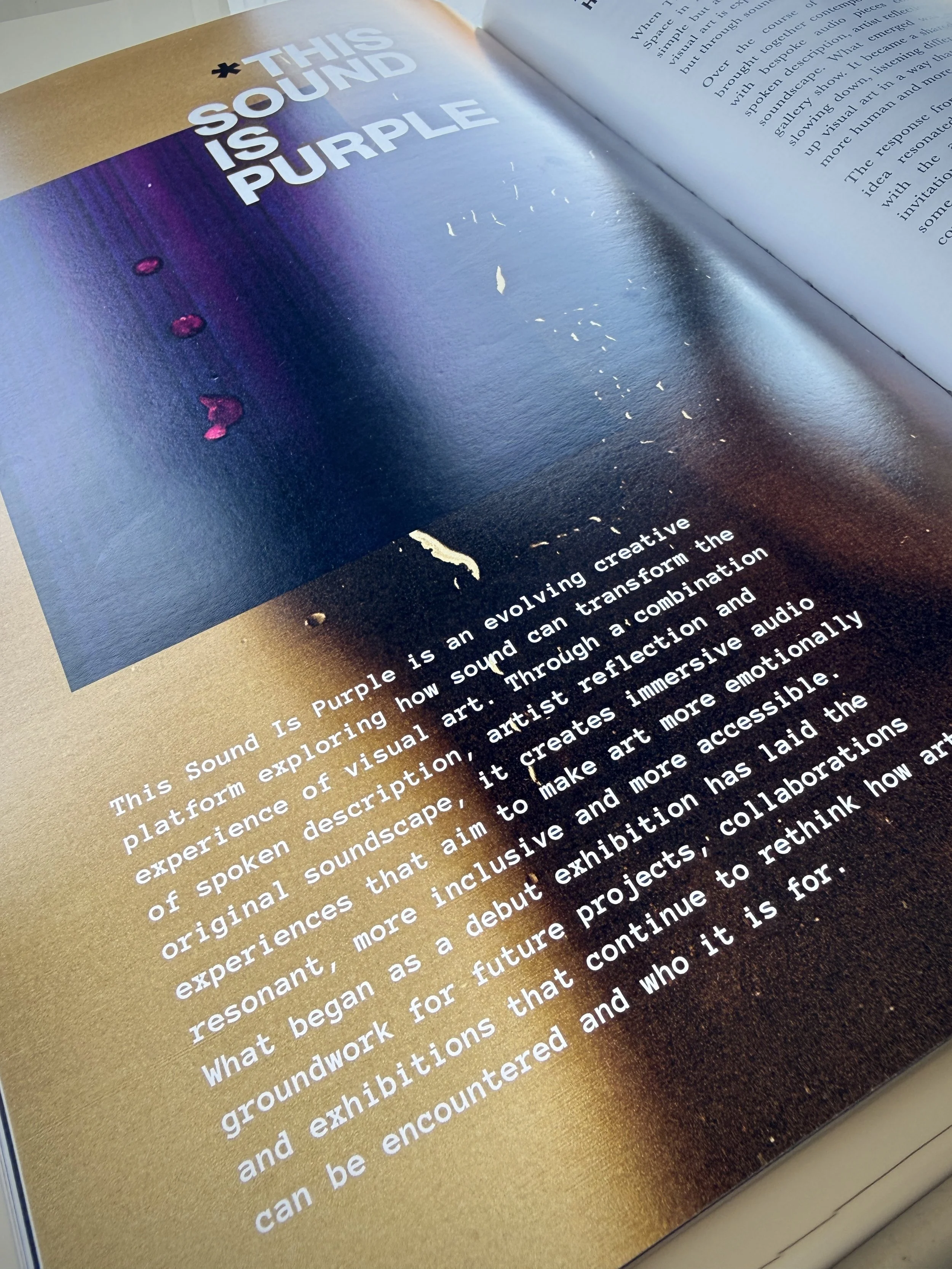
Created by Glenn Harvey, This Sound Is Purple is an evolving platform exploring how audio can deepen people’s connection to visual art, while also opening up gallery experiences to visually impaired audiences and to those who may feel traditional art spaces are not for them.
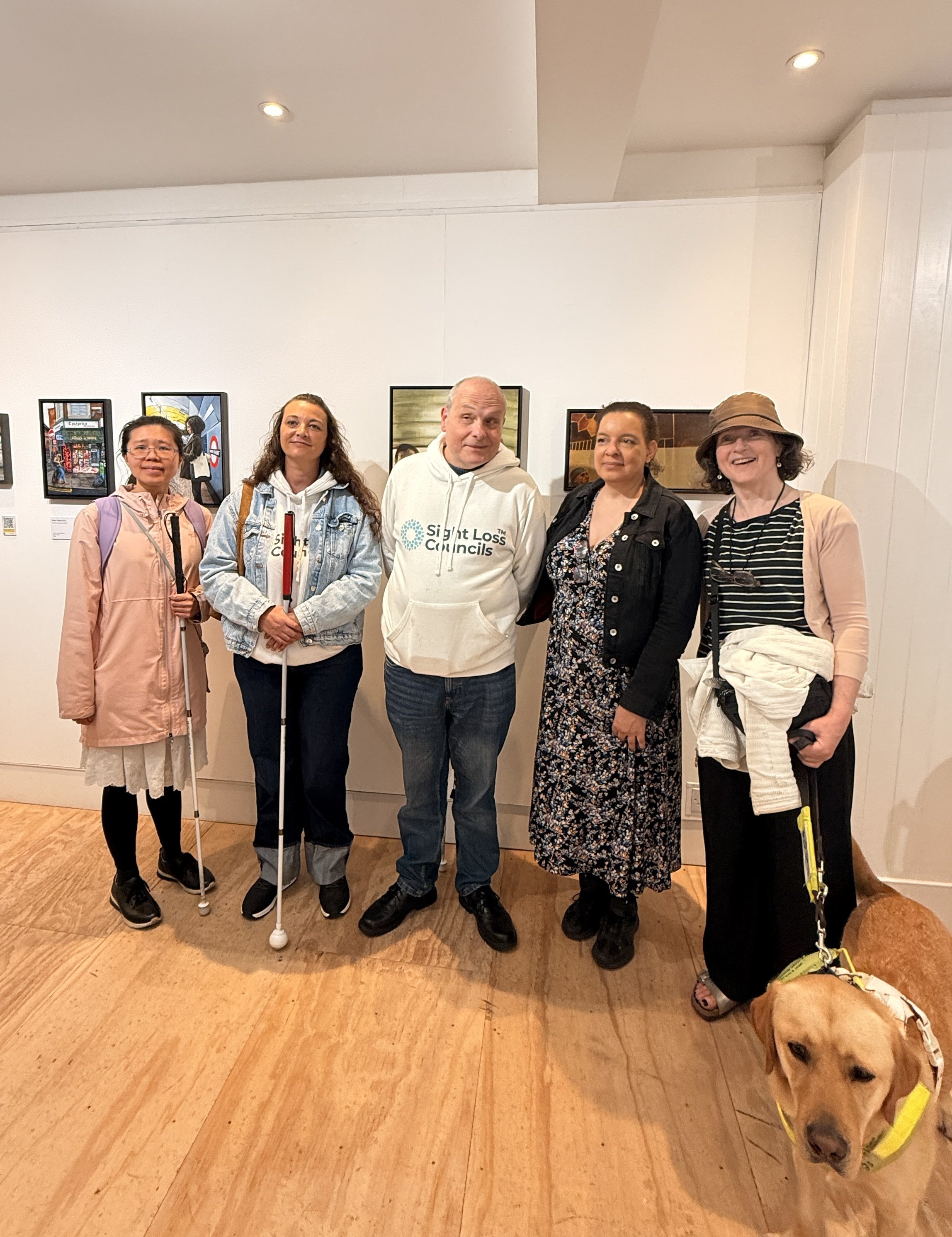
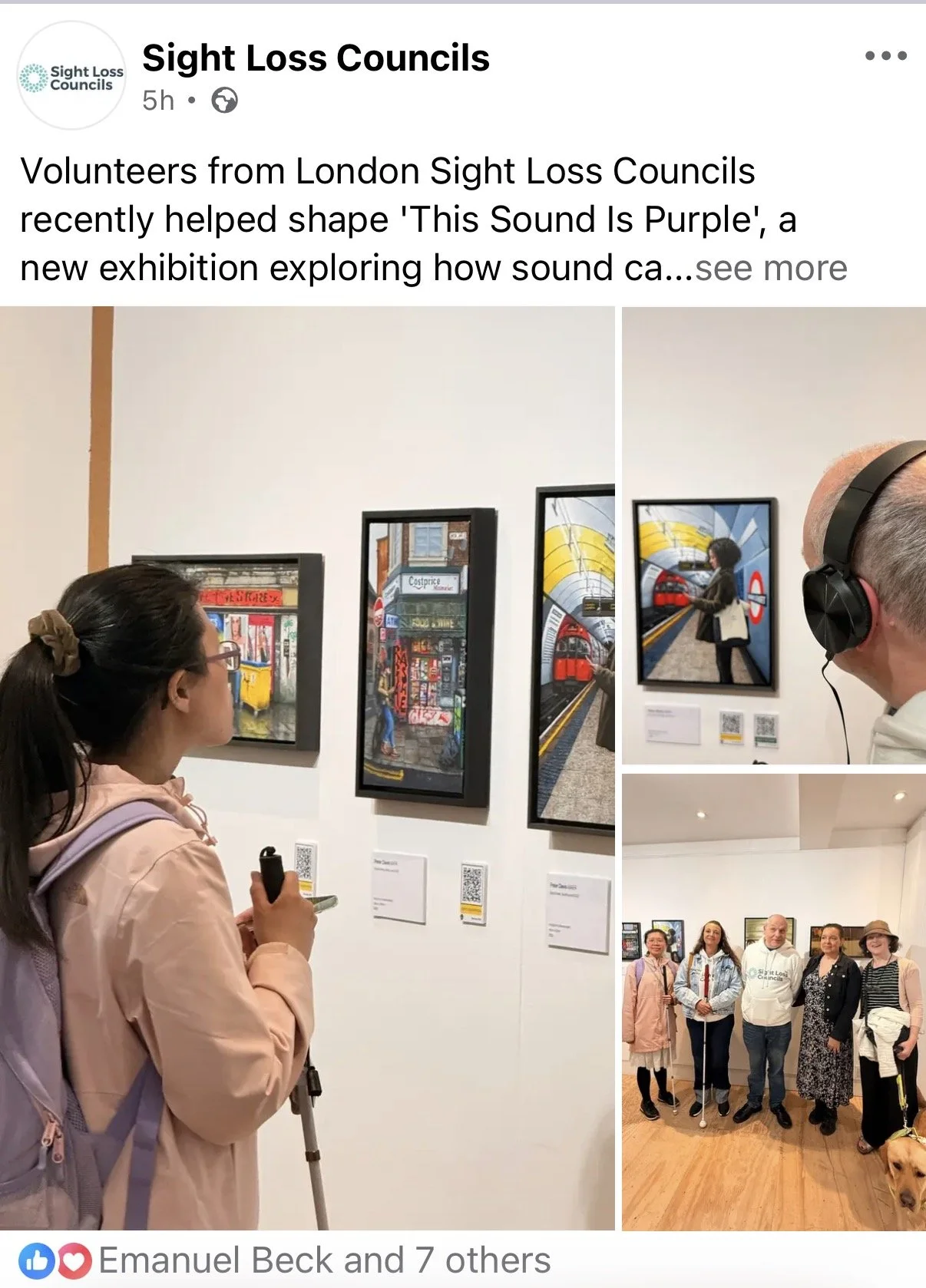
The exhibition has been developed with support and input from the Sight Loss Councils, helping shape the project’s accessibility thinking from the outset.
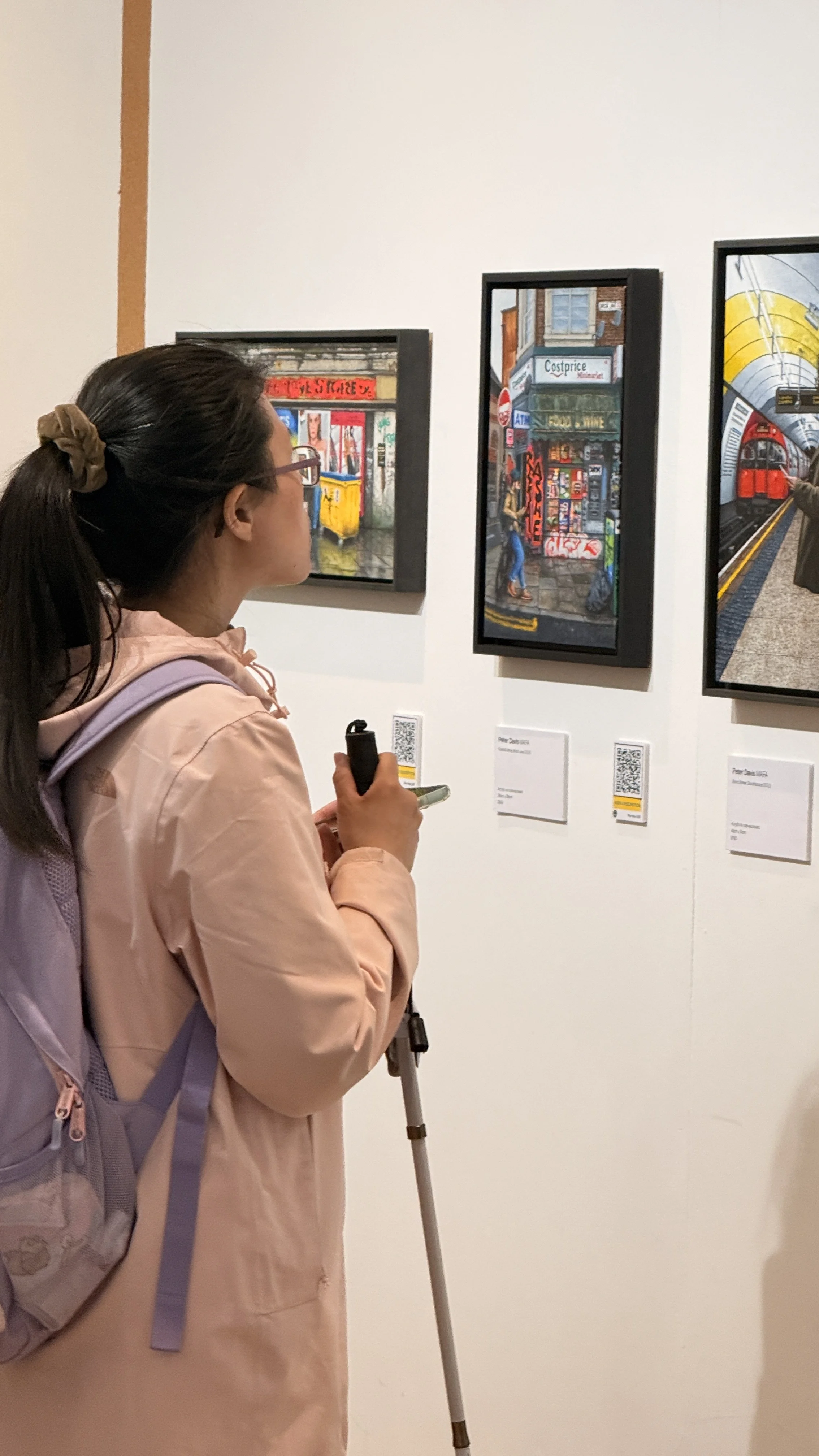
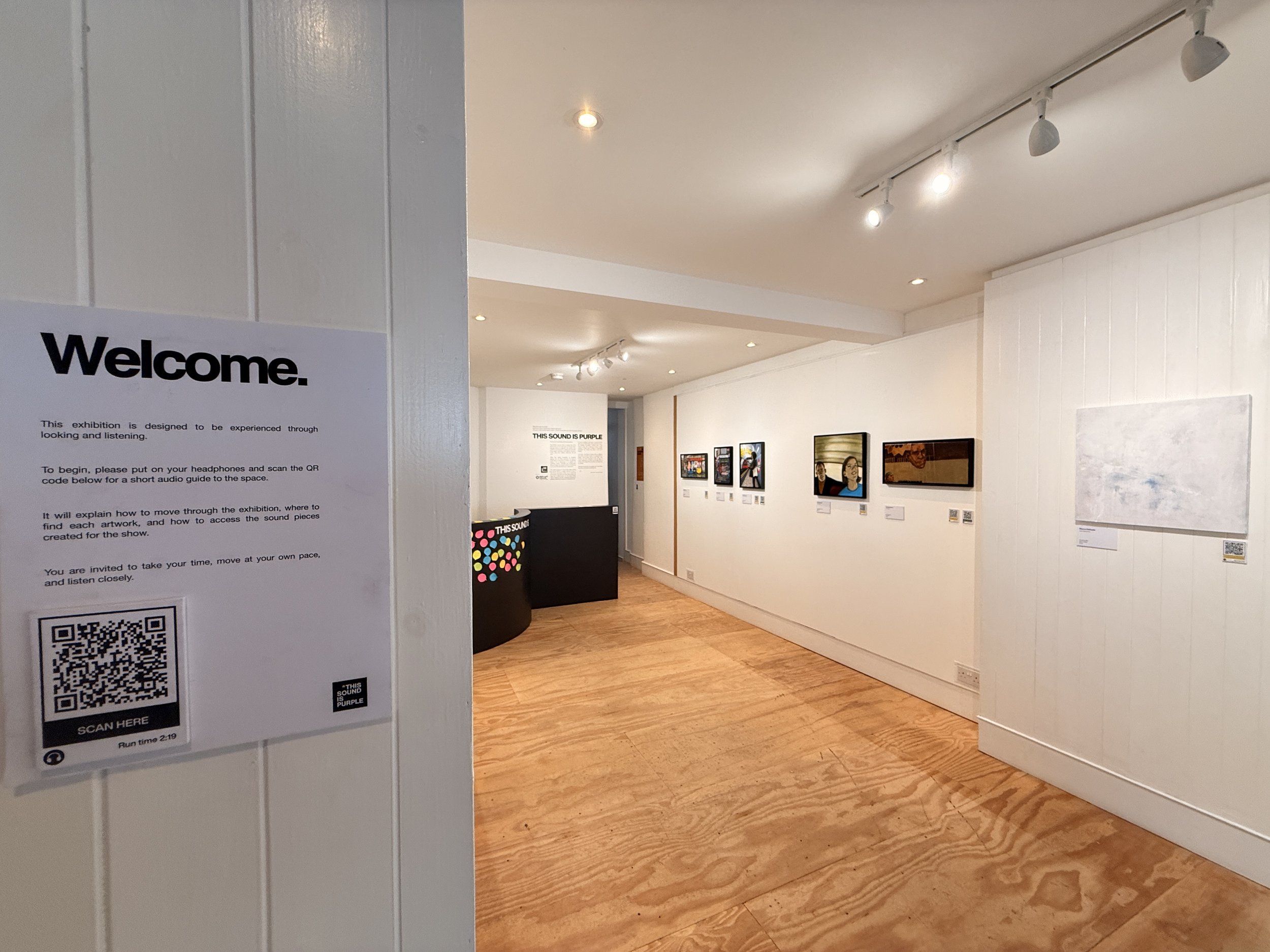
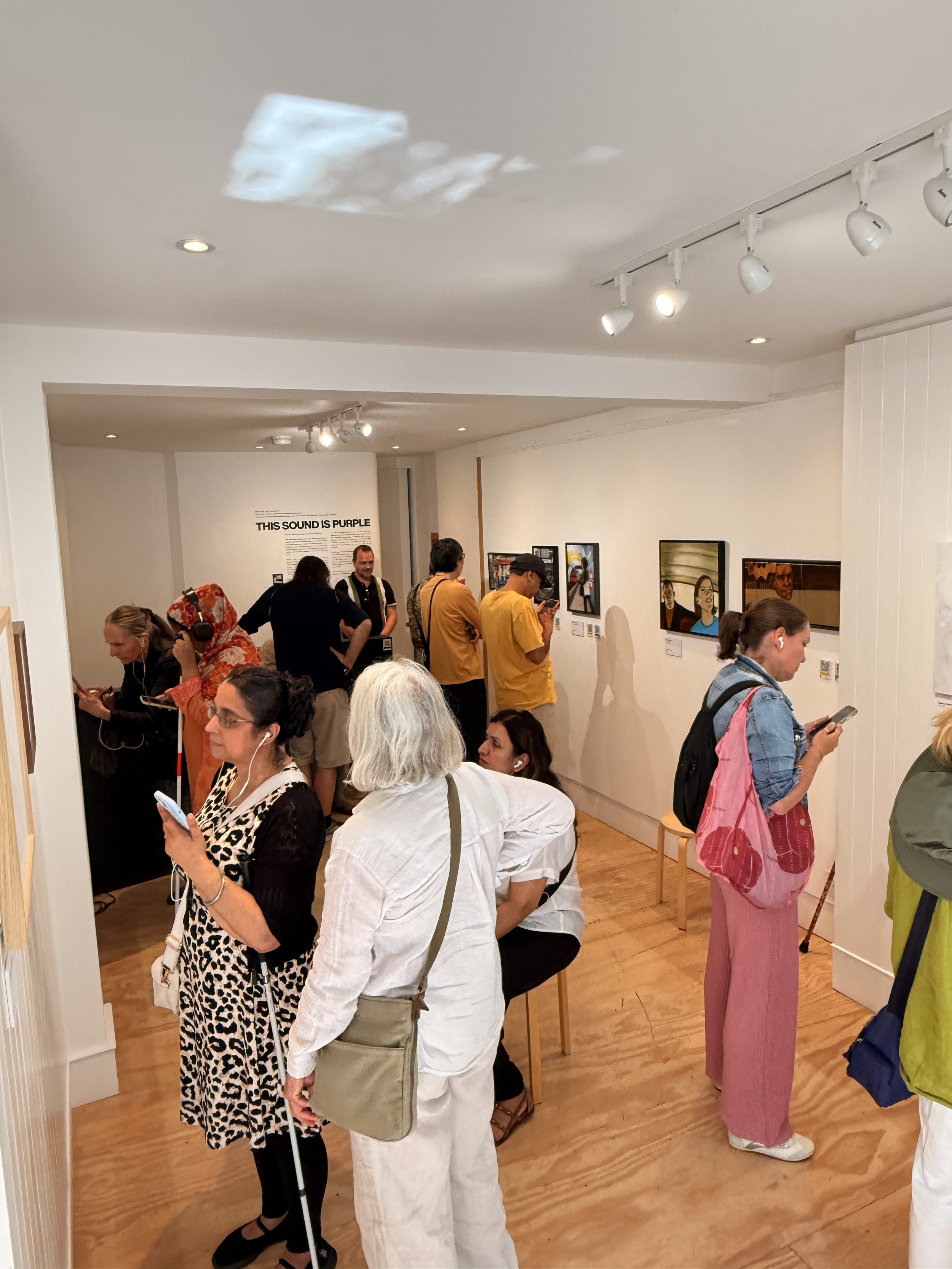
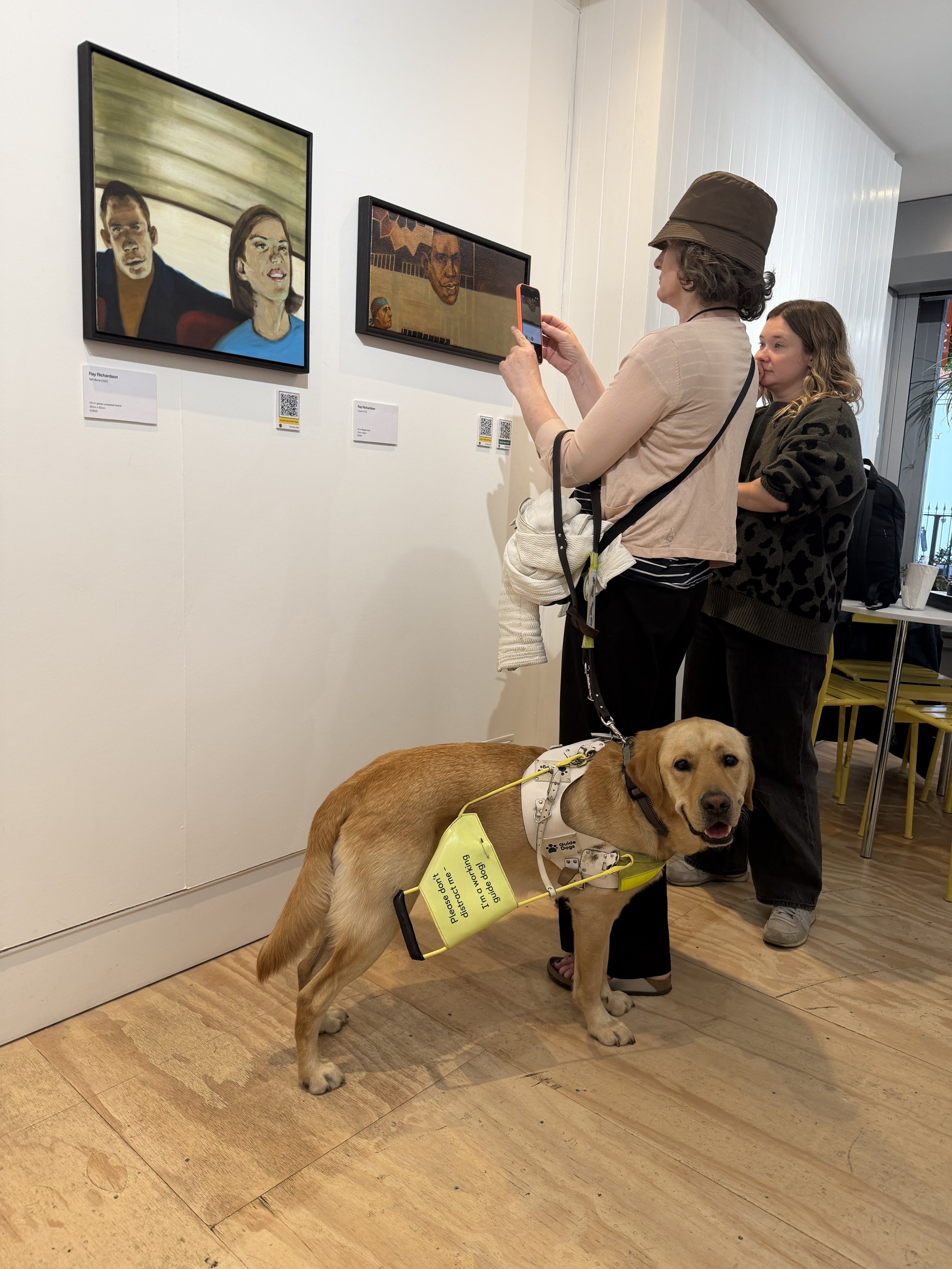
Rather than treating accessibility as an add-on, This Sound Is Purple places it at the centre of the experience. Visitors will be able to access each audio piece in the gallery via QR code on their phones, allowing them to move through the exhibition at their own pace and engage with the work in a richer, more layered way.
Featured artists include Bianca Raffaella, Peter Davis, Ray Richardson, Danny Rolph, and Jennifer Farrow-Moore.
Mini Interview with Glenn Harvey What is This Sound Is Purple?
This Sound Is Purple is a project that explores how sound can change the way we experience visual art. For this exhibition, each artwork is paired with its own audio piece made up of three parts: a clear description of the work, a reflection from the artist, and an original soundscape. The idea is to give people another way into the work, not just through what they see, but through what they hear and feel as well.
How did the exhibition come about?
It came from a mix of things really. I’ve always been drawn to the emotional power of sound and the way it can completely shift how something feels. At the same time, I was thinking a lot about accessibility, and about the fact that galleries can still feel quite closed off or intimidating for a lot of people. I wanted to create something that brought those things together in a way that felt creative and genuine, not like accessibility had just been bolted on afterwards.
What makes this different from a standard gallery audio guide?
For me, it’s very different. A standard audio guide usually gives you information about the work. This is trying to do something more immersive than that. The description gives people a clear sense of what’s there, but then the artist’s reflection and the soundscape open up another layer. It becomes less about explaining the work, and more about helping people connect with it.
Why was accessibility such an important starting point?
Because it should be. I didn’t want accessibility to be treated as an afterthought or a separate extra. I wanted it to sit right at the centre of the project. There’s a really important strand here around making visual art more accessible for visually impaired audiences, but it’s broader than that too. It’s also about making gallery spaces feel more open, more welcoming, and less like they’re only for a certain kind of person.
How have visually impaired perspectives shaped the project?
They’ve shaped it in a really important way. The support and input from Sight Loss Councils has helped keep the project grounded in real experience rather than guesswork. Those conversations have influenced not just the audio itself, but the wider visitor experience as well, from how people navigate the space to how information is communicated. That’s been a huge part of making sure the project works in practice, not just in theory.
What do you want people to feel when they visit?
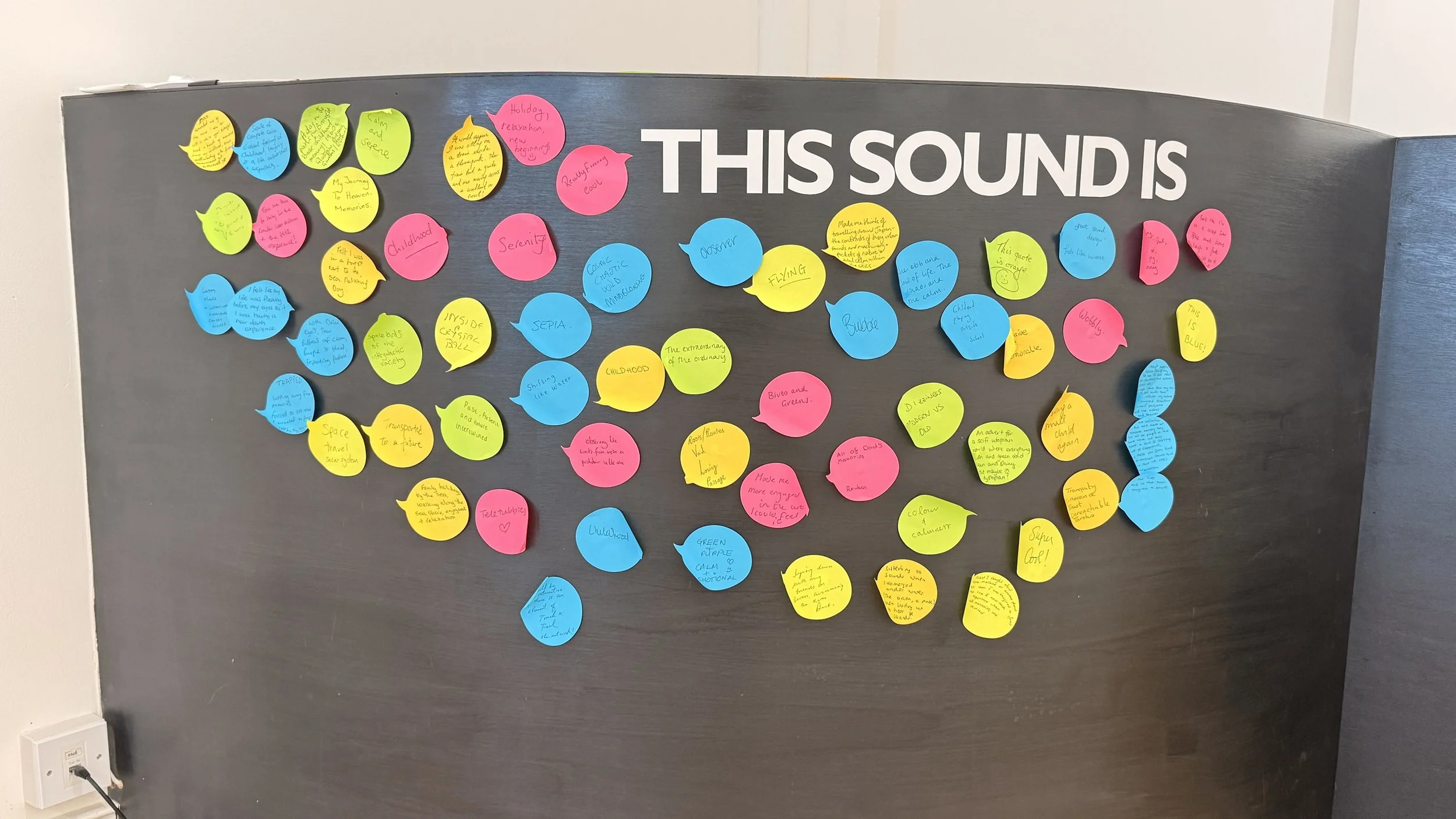
First of all, I want people to feel welcome. I want them to slow down a bit. We’re so used to rushing through everything, including culture, and I think art opens up differently when you actually spend time with it. I’d love people to come away feeling like they’ve had a more personal connection with the work, whether that’s through the sound, the stories
behind it, or just through being encouraged to experience it in a different way. If it helps someone feel moved, curious, or more at ease in a gallery space, then that feels important to me.
Why the name This Sound Is Purple?
I like that it asks a question that doesn’t have a neat answer. It’s playful, but it also gets to the heart of the project. What does colour sound like? What does a painting feel like when it’s translated into voice, texture and atmosphere? I’ve always been interested in that crossover point where one sense starts to bleed into another. The name felt like a good way of opening that up.
Why does this kind of exhibition feel important right now?
I think people are hungry for experiences that feel more human and more involving. We spend so much of our lives skimming, scrolling and half-paying attention. I wanted to make something that encourages people to slow down and connect, but also something that asks bigger questions about who art spaces are for, and how they can be opened up. For me, that’s what makes this feel timely.
Notes to Editors
Exhibition: This Sound Is Purple
Venue: SQFT Space, Marylebone, London
Private View: Thursday 7 May 2026
Public Dates: 8 May – 11 June 2026
Admission: Free
This Sound Is Purple is a contemporary art exhibition and audio experience in which each artwork is accompanied by a bespoke sound piece combining narration, artist reflection and soundscape.
The exhibition explores new ways of engaging with visual art while placing accessibility at the centre of the experience.
Audio content is accessed in the gallery via QR code.
The project has been developed with support and input from Sight Loss Councils.
For press enquiries, interviews, images or further information, contact: Glenn Harvey - glenn@thissoundispurple.com - 07473 134 209
About Glenn Harvey
Glenn is a London-based professional sound recordist, sound designer and musician. His work is driven by a belief in the power of sound to shape emotion, deepen connection and open up new ways of experiencing creative work. Influenced by a love of immersive theatre and multi-sensory experiences, and informed by previous work in the charity sector, he is particularly interested in accessibility, inclusivity and widening access to the arts. Through This Sound Is Purple, he brings those strands together to create immersive audio experiences that make visual art more human, more resonant and more accessible.